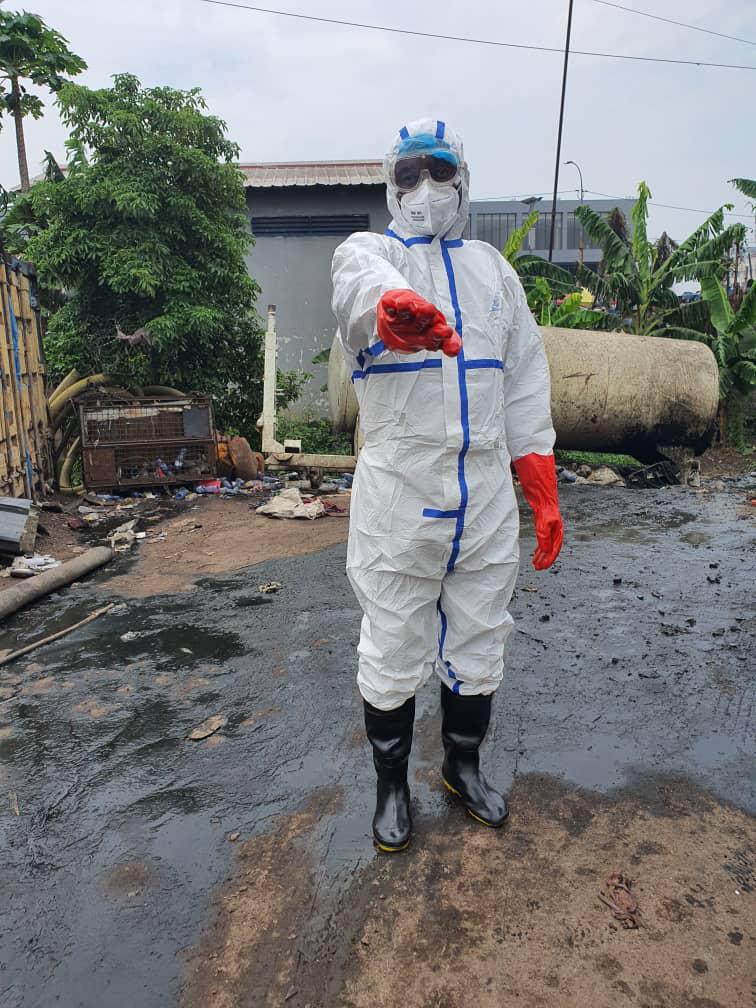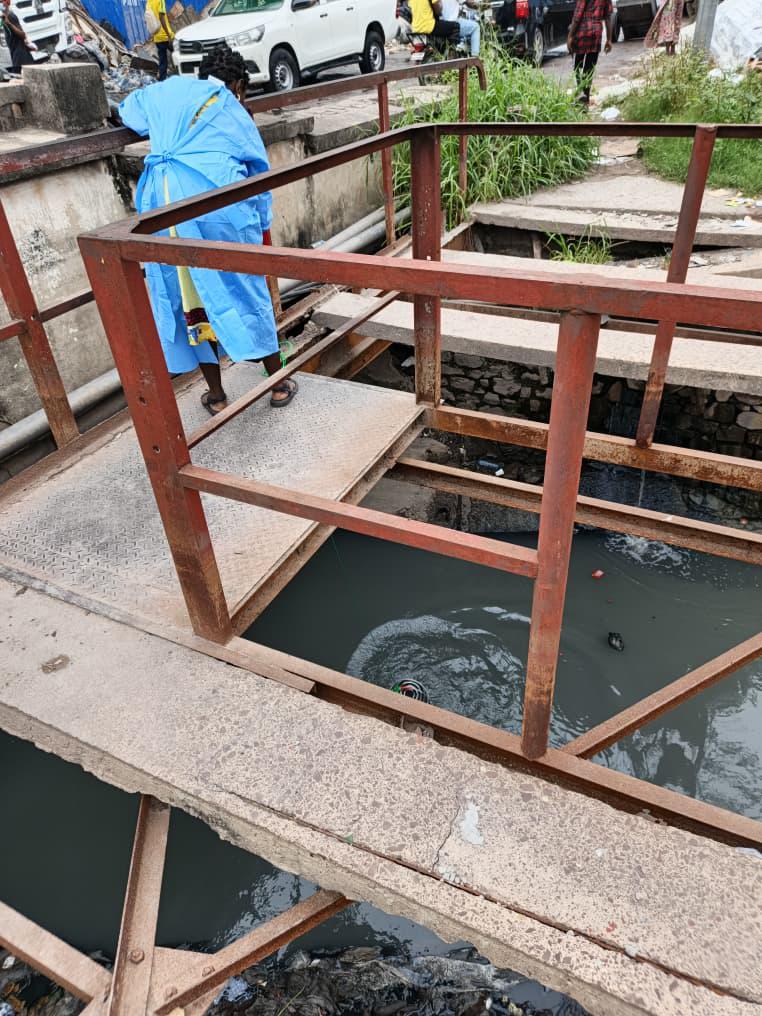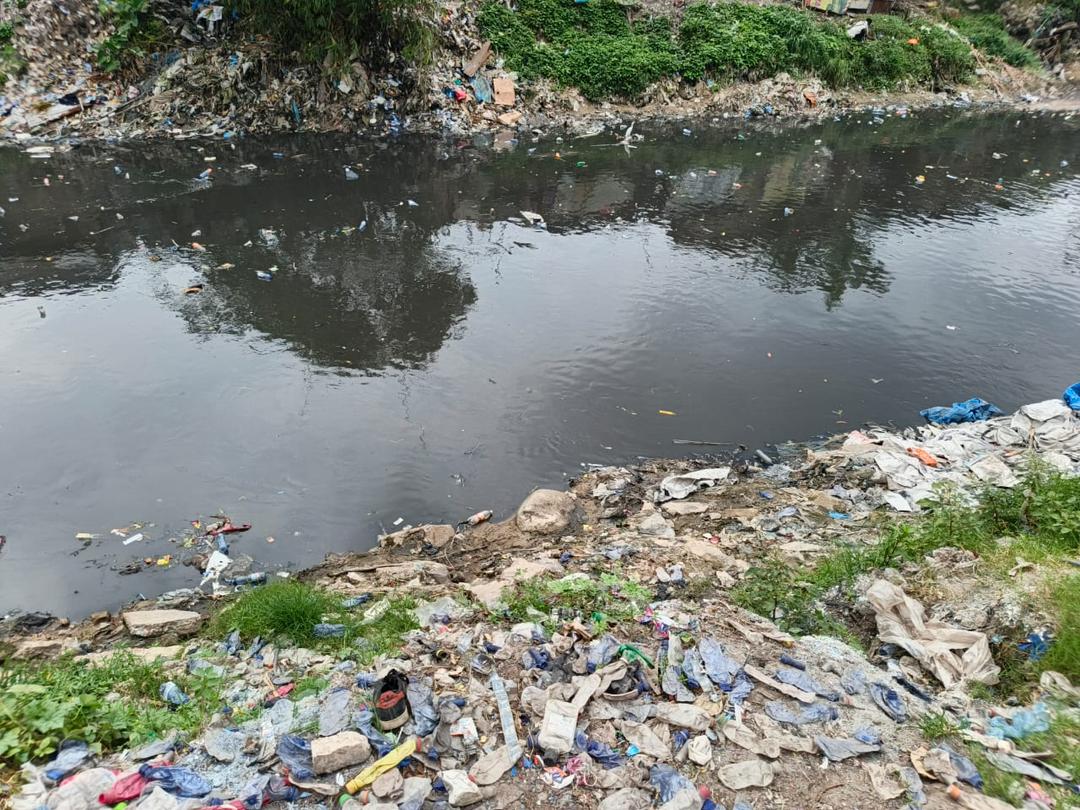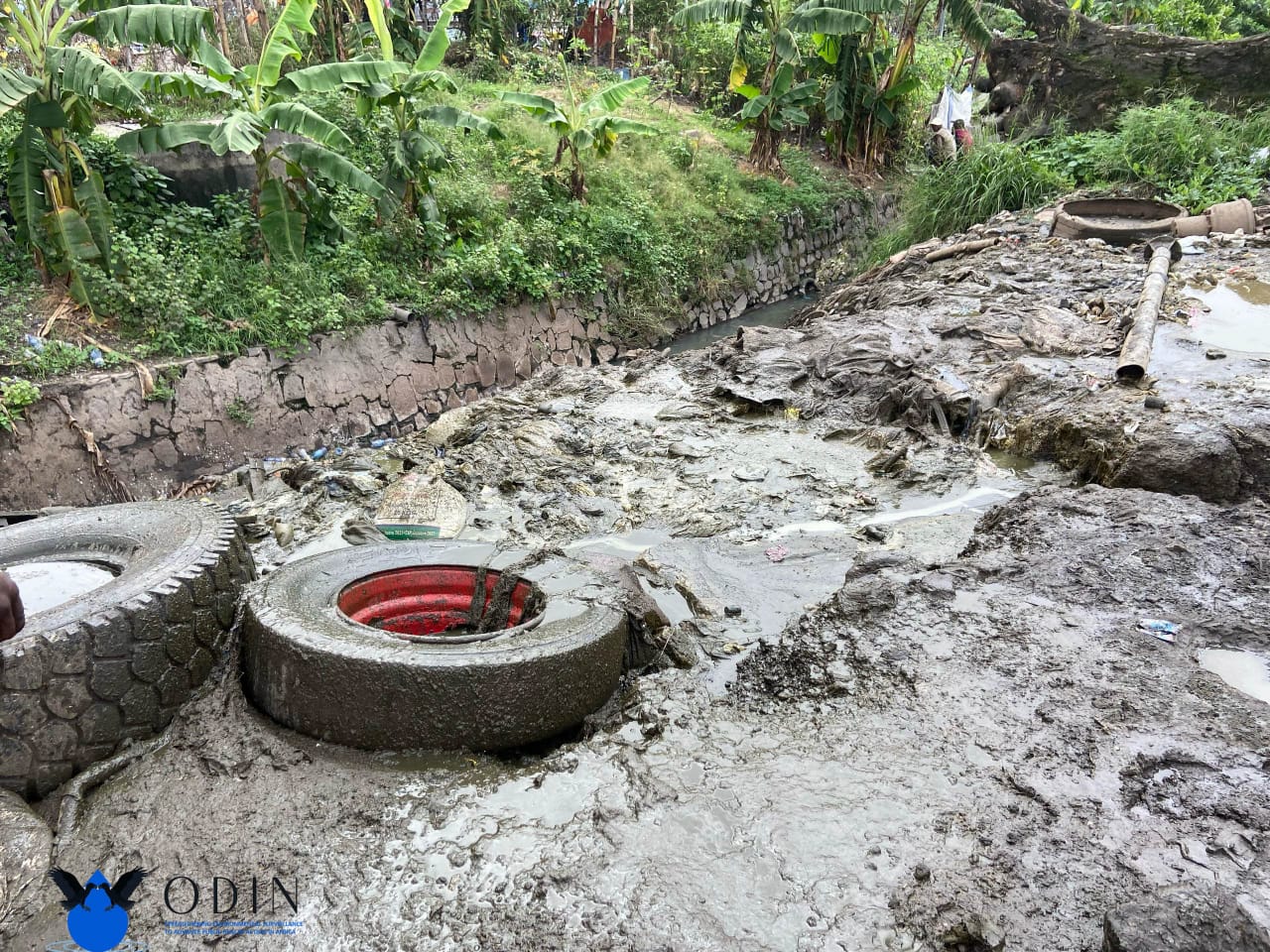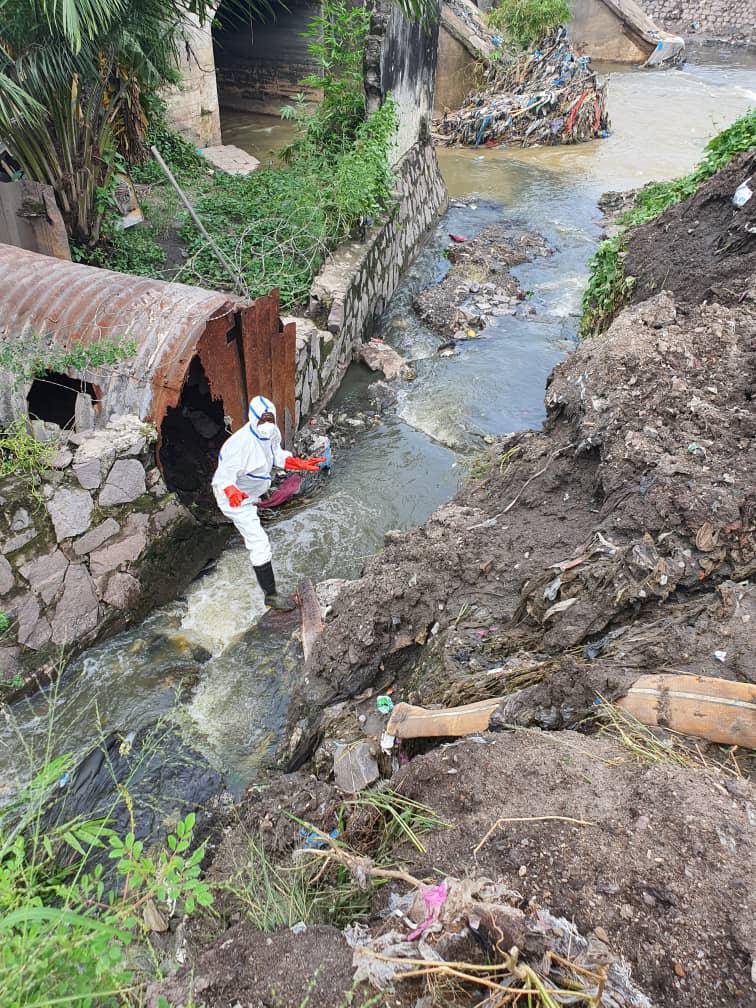
The main objective of the ODIN-Mpox project is to establish a reliable, robust and sensitive surveillance system focused on both static and mobile monitoring of wastewater and the environment targeting the Mpox epidemic in the DRC and neighboring countries.
Mpox, a re-emerging zoonotic viral disease, remains a major public health emergency in sub-Saharan Africa, particularly in the Democratic Republic of Congo (DRC), where it was declared a public health emergency in April 2024. Transmission to humans occurs primarily through direct contact with infected animals or people, their bodily fluids, or contaminated materials. However, early detection remains challenging due to nonspecific clinical symptoms, underreporting of cases, and limited diagnostic capacity, which facilitates silent spread of the virus. In this context, environmental surveillance appears as an essential complementary tool to traditional clinical surveillance systems. Recent work, notably by Adams et al. (2024), has demonstrated that wastewater monitoring can detect the presence of the Mpox virus (MPXV) in large populations, even in the absence of confirmed cases. This approach offers the possibility of identifying early signals of viral circulation, tracking spatiotemporal trends and more effectively guiding public health interventions.
Building on the experience and infrastructure of the ODIN program, the ODIN-Mpox project aims to deploy an integrated environmental and wastewater genomic surveillance system for the early detection of MPXV in three African countries: the Democratic Republic of Congo, Burkina Faso, and Tanzania. The objective is to document virus circulation in various urban and peri-urban settings, improve understanding of its transmission dynamics, and provide actionable data for decision-making. The project establishes harmonized protocols for collecting, concentrating, and analyzing environmental samples, as well as sequencing and genomic analysis pipelines adapted to the operational realities of the partner countries.
Sampling is conducted monthly, with passive torpedo- type samplers deployed at collection sites for 48 to 72 hours. Molecular and genomic analyses are performed in the national laboratories of the three countries, strengthening their technical capacity and autonomy. Data generated by viral quantification and genomic characterization are integrated into digital dashboards accessible to health authorities, enabling real-time monitoring of MPXV circulation signals and rapid adjustment of prevention and response measures.
By sustainably strengthening the technical and analytical capacities of national laboratories, ODIN-Mpox contributes to the integration of environmental surveillance into public health systems. Beyond responding to the current epidemic, the project lays the foundations for a regional system capable of addressing other emerging infectious threats, thus contributing to a comprehensive vision of health preparedness and resilience.
Consortium partners
Funders
Project duration
August 2024 – July 2027
Research area
Study subject
Wastewater and other (Urban and Peri-urban)
Geographical scope
Democratic Republic of Congo (DRC), Tanzania, Burkina Faso
Study design
Environmental and wastewater monitoring