This project will improve outbreak control, inform vaccine decisions, and strengthen analytical response systems in a region experiencing frequent and severe public health threats, including mpox, through modelling, analytics and capacity strengthening.
This project aims to improve understanding and control of ongoing mpox outbreaks in Central Africa, particularly in the Democratic Republic of the Congo (DRC), Burundi, and Angola. The work responds to the rapid emergence and spread of mpox clade I viruses, including the newer clade Ib lineage, which prompted the World Health Organization to declare a Public Health Emergency of International Concern in 2024. The outbreaks are occurring in highly complex settings affected by conflict, displacement, weak health systems, and concurrent epidemics such as cholera, Ebola, and Marburg virus disease.
A central challenge is that mpox appears to be spreading differently across regions and population groups. In some settings transmission is associated with zoonotic spillover and household spread, while in others it appears concentrated within sexual networks, particularly among sex workers and their partners. Burundi has shown an unexpectedly high proportion of paediatric cases, raising uncertainty about whether this reflects genuine differences in transmission patterns or biases in case detection and reporting. At the same time, vaccine supply remains extremely limited, making evidence-based targeting strategies essential.
The project therefore combines epidemiological modelling, clinical data analysis, genomic surveillance, and regional capacity strengthening to support outbreak response. A major component involves developing and refining mathematical models of mpox transmission and vaccination. These models incorporate age structure, behavioural risk groups, geographic heterogeneity, and multiple transmission routes, including sexual, household, community, and zoonotic transmission. The models will be calibrated to surveillance and outbreak-response data from DRC and Burundi within a Bayesian inference framework.
Using these models, the team will estimate the contribution of different transmission pathways in different regions, assess variation in severity between outbreaks, and evaluate the likely impact of alternative vaccination strategies under constrained supply. This includes assessing one-dose versus two-dose regimens, targeting strategies for high-risk populations, and the trade-offs between reducing mortality and reducing transmission. The work is intended to directly inform vaccine procurement and rollout decisions by Ministries of Health, WHO, and the African CDC.
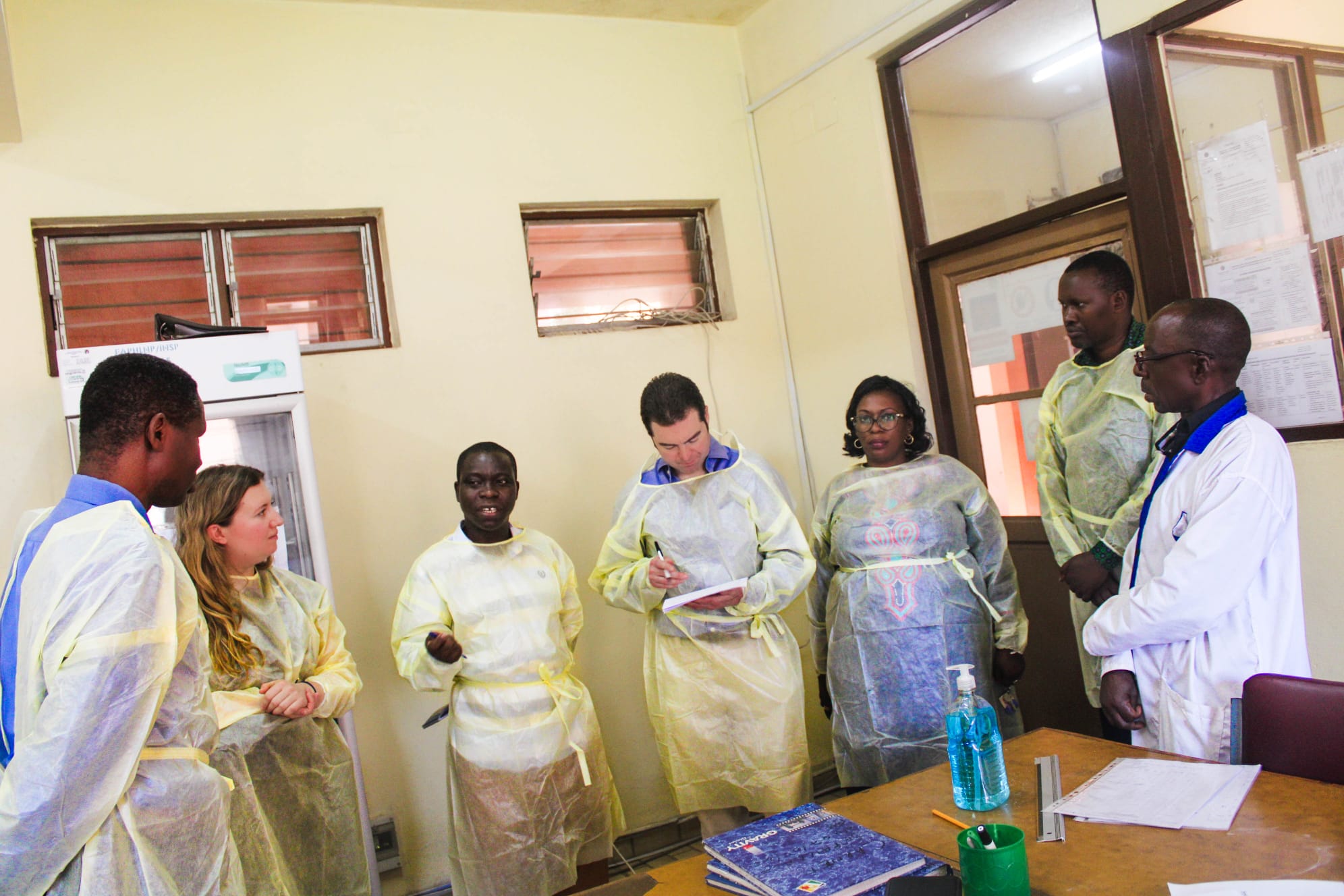
A second major component focuses on analysing clinical records and contact tracing data collected during the outbreak response in Burundi. Large volumes of paper-based clinical data from treatment and isolation centres will be digitised and linked with epidemiological line lists and contact tracing records. These analyses will provide improved estimates of transmission patterns, household secondary attack rates, offspring distributions, and risk factors for severe disease. Lesion-location data will also be used as a proxy to distinguish likely sexual from non-sexual transmission routes.
The project additionally includes a genomic epidemiology study in Angola, where little is currently known about circulating mpox lineages. Using portable Oxford Nanopore sequencing technology, the team will generate and analyse viral genomes from early cases to identify circulating clades, reconstruct transmission patterns, and quantify cross-border viral movement with DRC. This work will also strengthen local genomic surveillance infrastructure and analytical capacity for future outbreaks.
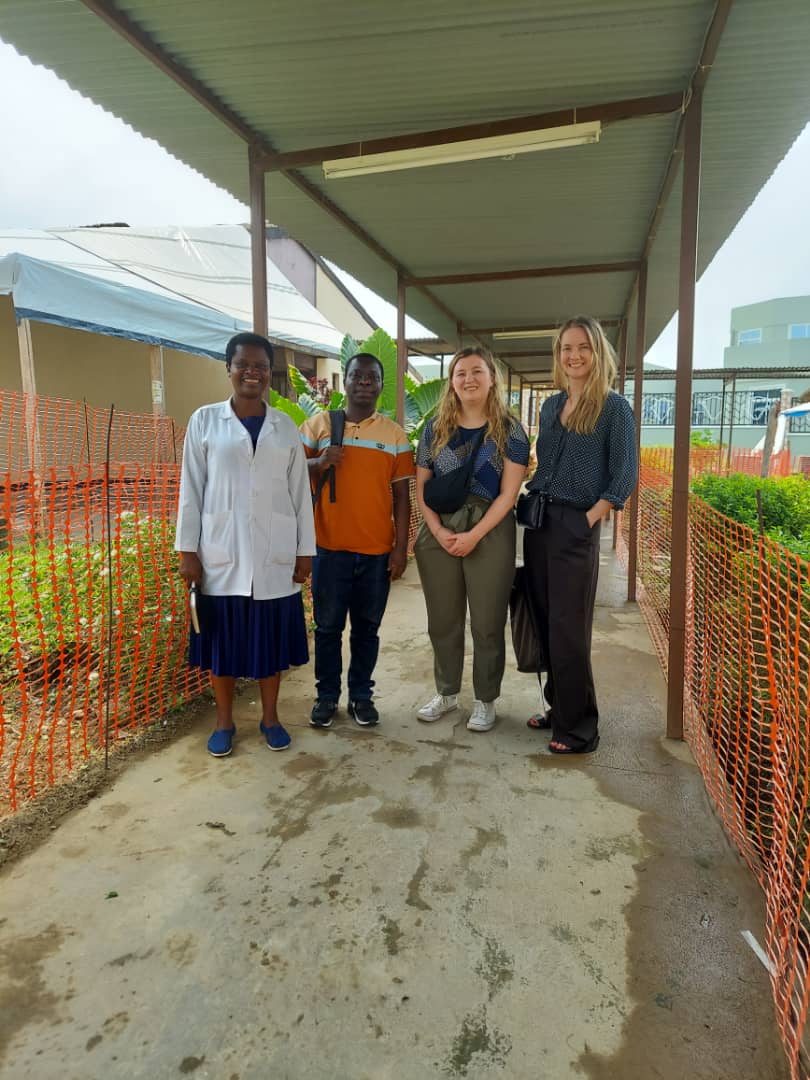
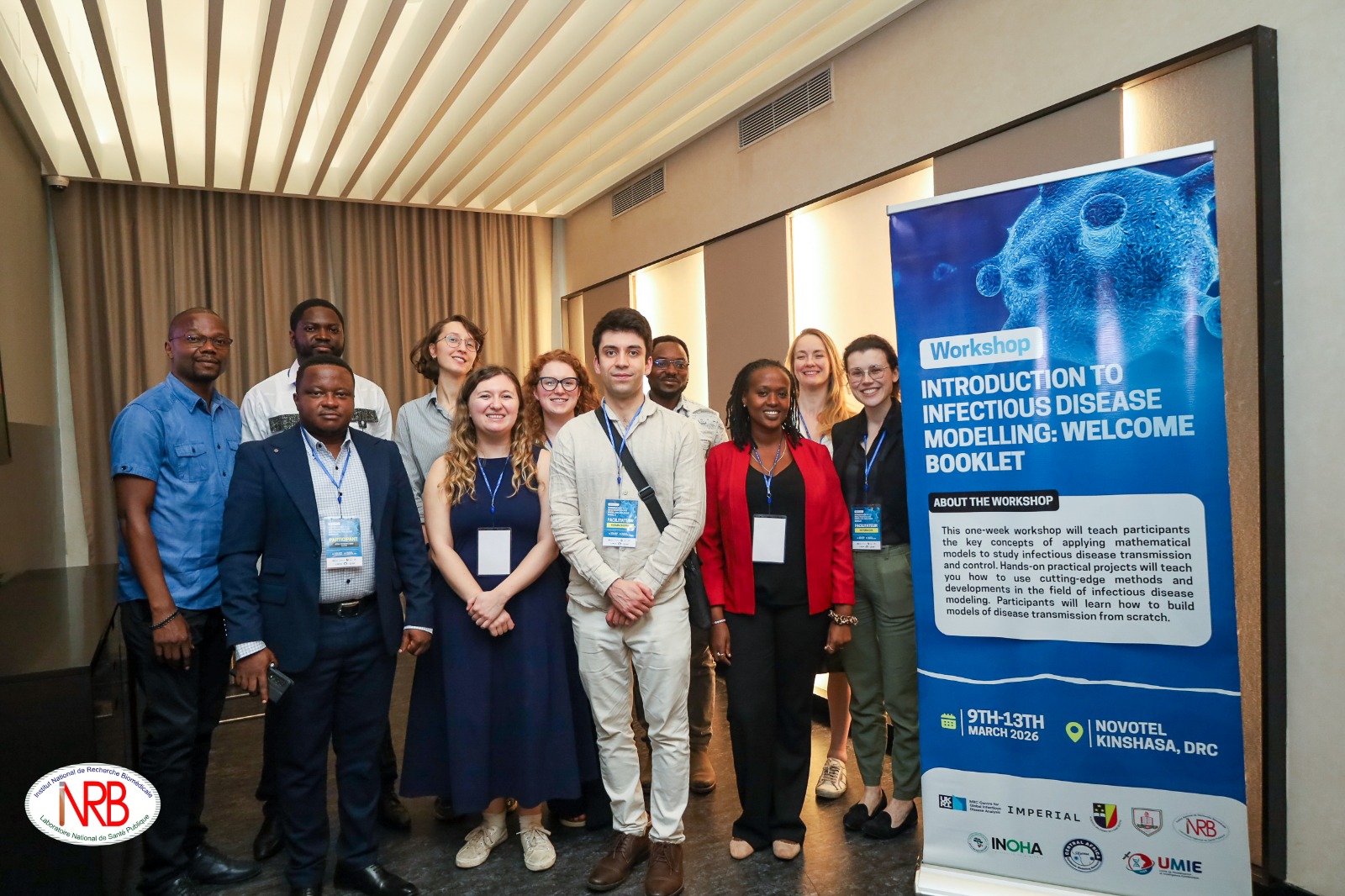
Alongside the research activities, the project places strong emphasis on sustainable capacity strengthening. This includes regional workshops, hackathons, technical training in outbreak analytics and genomic epidemiology, visiting fellowships, and collaborative development of analytical tools and data systems. The overall goal is not only to improve the current mpox response, but also to strengthen long-term epidemic preparedness and analytical capability across Central Africa.
Consortium partners
Funders
Project duration
September 2025 – December 2026
Research area
Target population
Population of affected regions
Geographical scope
Burundi, Democratic Republic of the Congo, Angola
Study design
Mathematical modelling, data digitisation and analytics, genomic analysis