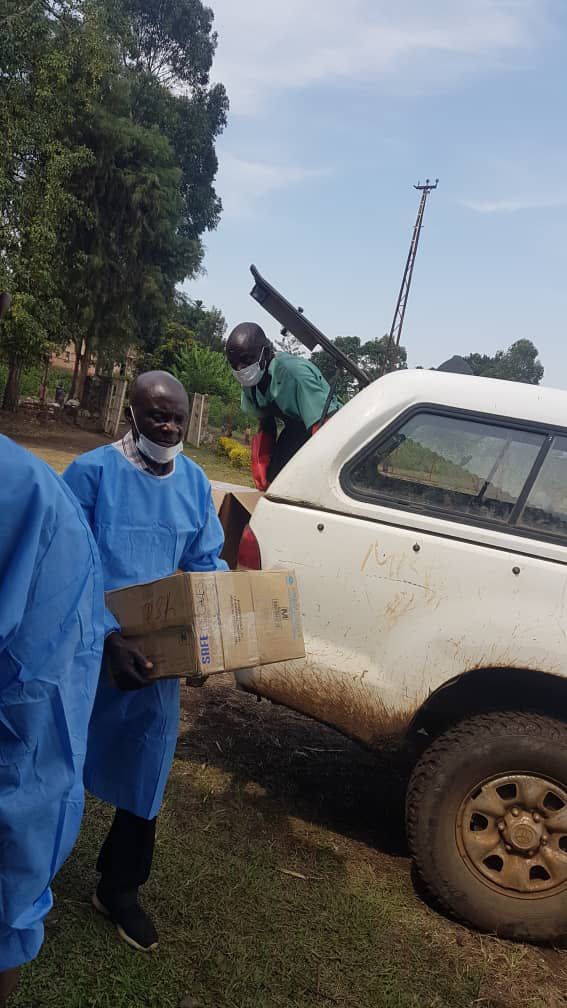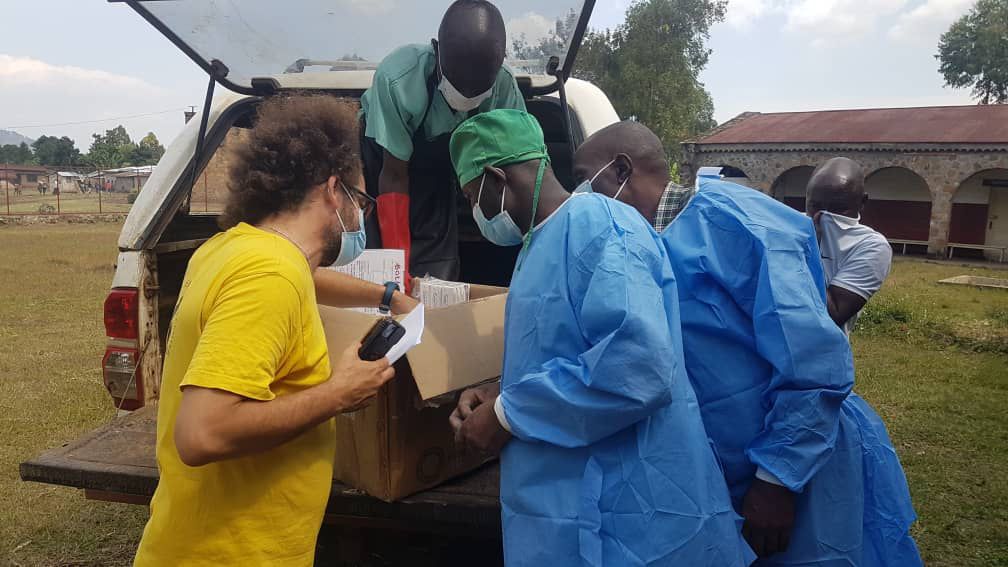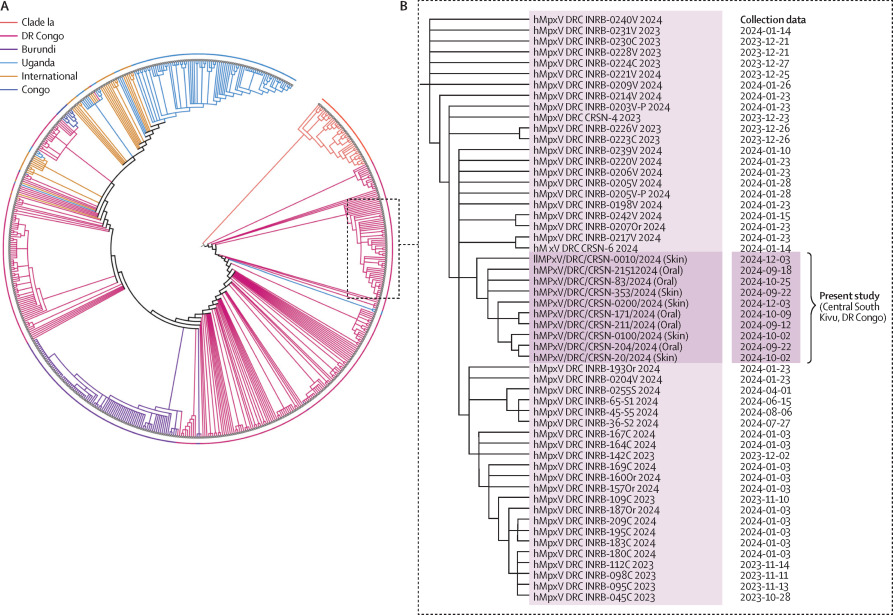
The primary goal of this project to track the viral transmission pattern, evolutionary dynamics, detect the emerging variants and recombination events.
Our genomic surveillance project integrates clinical research, genomics, clinical research, epidemiology, medical antropology, immunoinformatics, artificial intelligence, and molecular modeling–based state-of-the-art methods to understand sustained human-to-human transmission patterns, evolutionary dynamics, and identify drug targets for developing medical countermeasures (MCMs) against the contagious mpox virus (MPXV), thereby supporting evidence-based public health responses.
In collaboration with clinicians, virologists, and public health partners from various research institutes in the Democratic Republic of the Congo (DRC) and Uganda, our multidisciplinary research group has contributed to the characterization of emerging variants, recombinants, evolutionary dynamics, and transmission patterns of MPXV Clade Ib/sh2023, while developing tools and genomic resources for annotating genomes and screening therapeutic and vaccine candidates.
A major focus of our research has been the sequencing and annotation of the emerging Clade Ib/sh2023, which is responsible for multiple sustained human-to-human transmission outbreaks in the DRC and other African countries. Using an integrated whole-genome sequencing and evolutionary analysis approach on early clinical isolates of Clade Ib/sh2023 from Kamituga, we reported the first mutation map of Clade Ib/sh2023 and identified it as a distinct sub-lineage within Clade I. Based on proteome-wide mutation mapping, we identified seven proteins, namely, C9L (OPG047), I4L (OPG080), L6R (OPG105), A17L (OPG143), A25R (OPG151), A28L (OPG153), and B21R (OPG210), as mutation hotspots and found them to harbor consensus in-frame deletions, frameshift variants, synonymous variants, and amino acid substitutions. We also reported the complete deletion of the D14L (OPG032) gene and developed the first pangenome of MPXV clades. Through these studies, we highlighted genomic changes in Clade Ib MPXV and emphasized the importance of genomic surveillance for monitoring emerging MPXV variants.
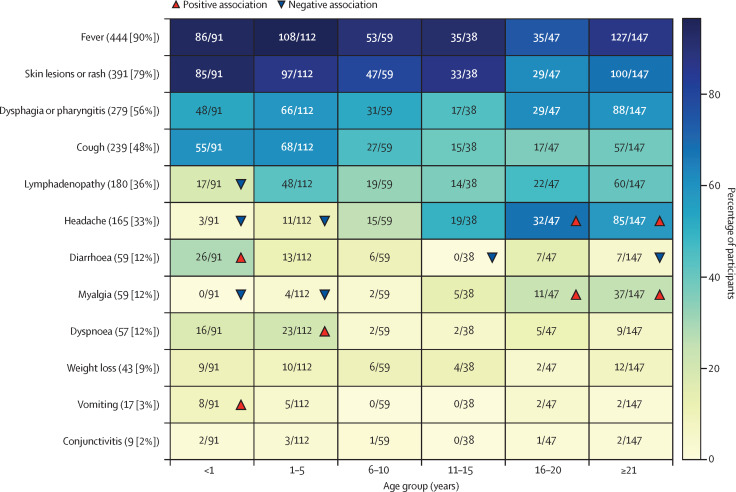
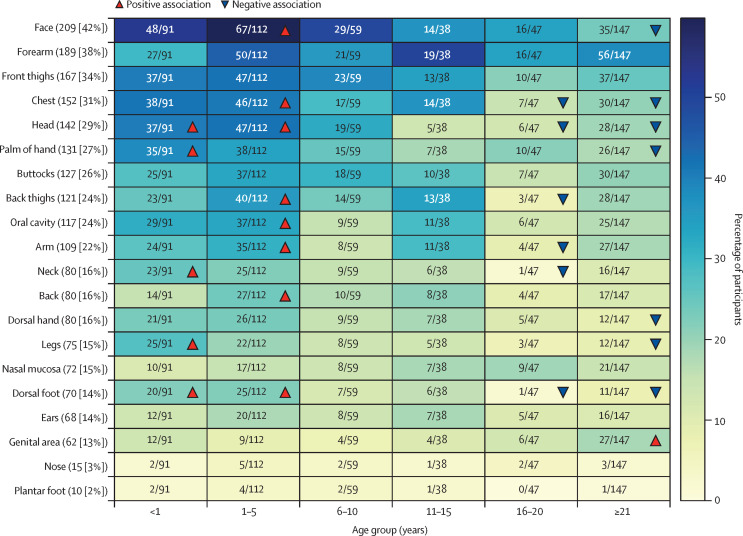
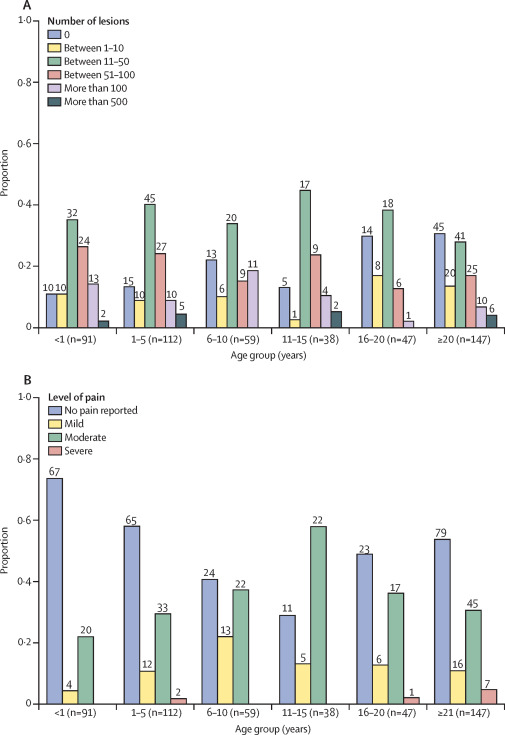
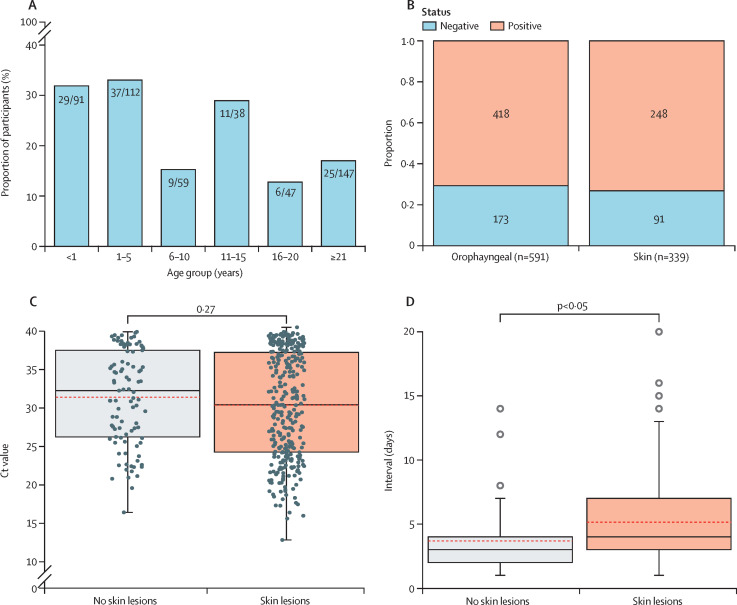
Our group has also focused on the epidemiology and clinical presentation of individuals infected with MPXV during ongoing outbreaks. We have documented transmission patterns, clinical presentations, and outbreak dynamics of MPXV Clade Ib/sh2023 through cohort studies, with a primary focus on hospitalized patients, including children, adolescents, and adults.To understand patterns of co-infection, we investigated the trans-kingdom microbial spectrum of mpox-like lesion pustules from suspected patients using a metagenomics approach. This study helped uncover co-infection patterns and provided new perspectives on disease pathogenesis.
Recognizing the need for vaccine and therapeutic development against MPXV, our group is actively developing artificial intelligence (AI)-based tools and genomic resources to accelerate global research efforts aimed at identifying effective
treatments against emerging MPXV variants. We developed PoxiPred, an AI-based tool for high-throughput screening of protective antigens and epitopes across poxviruses in a proteome-wide manner. We have also established a comprehensive repository of predicted T-cell epitopes, named TCEPVDB. This database was developed with a goal to facilitate vaccine design and immunological research. These open-source resources help researchers identify promising vaccine targets and support next-generation vaccine development.
In addition, we are involved in the high-throughput screening of small chemical libraries against key MPXV drug targets using molecular modeling approaches. We continue to perform genome sequencing, epidemiological modeling, and the development of genomic resources and computational tools to monitor emerging variants and support the development of effective treatments against MPXV.
Consortium partners
Dalhousie University, Halifax, Canada-lead
Coordination and communication
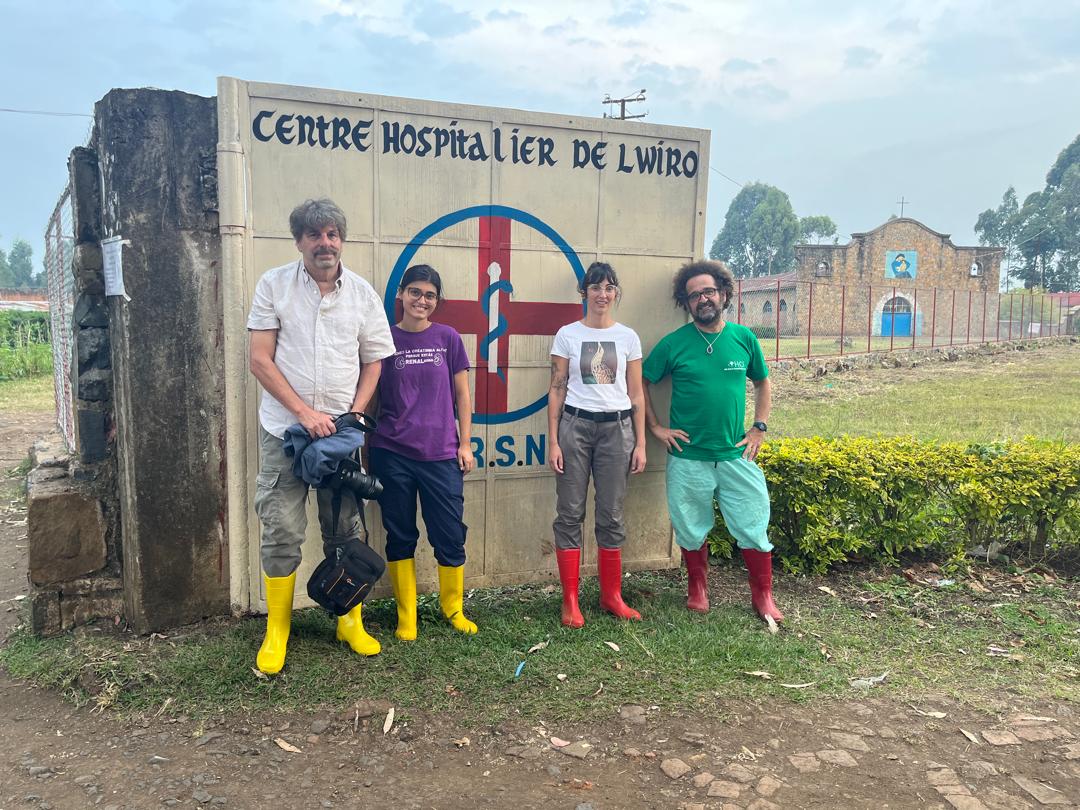
Centre de Recherche en Sciences Naturelles de Lwiro, South Kivu, Democratic Republic of the Congo
Sample collection and Sequencing
One Health Conservation Initiative, Katana, Kabare, South Kivu, Democratic Republic of the Congo
Sample collection and Sequencing
Volunteers for the Conservation of Fauna and Flora (VCFF)
Sample collection and Sequencing
Centre de Rehabilitation des Primates de Lwiro, Lwiro, South Kivu, DS Bukavu, Democratic Republic of the Congo
Sample collection and Sequencing
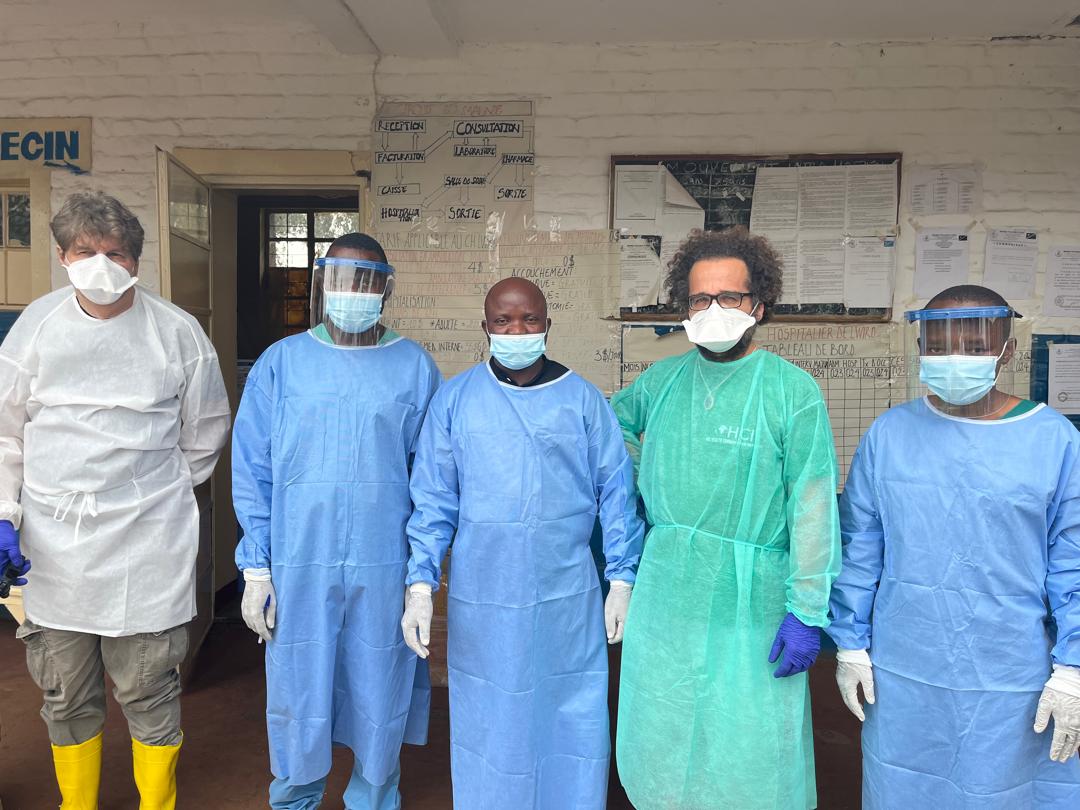
Lwiro Hospital, Division Provinciale de la Santé (DPS) du Sud-Kivu à Bukavu, Democratic Republic of the Congo
Diagnostic and Sample collection
Institut National de Recherche Biomédicale, Kinshasa, Democratic Republic of the Congo
Sample collection and sequencing
Department of National Health Laboratory and Diagnostics Services, Central Public Health Laboratories (NHLDS-CPHL), Ministry of Health, Kampala, Uganda
Sample collection and sequencing
Infectious Diseases Research Collaboration, Kampala, Uganda
Sample collection and sequencing
Uganda Virus Research Institute, Entebbe 256, Uganda
Sample collection and sequencing
Central Emergency Response and Surveillance Laboratory, Department of National Health Laboratory and Diagnostic Services, Ministry of Health, Kampala Uganda
Sample collection and sequencing
Interdisciplinary Consortium for Epidemic Research, Kampala, Uganda
Sample collection and sequencing
Ministry of Health, Kampala, Uganda
Sample collection and sequencing
Makerere University, Uganda
Sample collection and sequencing
Project duration
September 2023 to December 2027
Research area
Surveillance
Geographical scope
Global
Funders
Canadian Institutes of Health Research (CIHR), Mpox Rapid Research Funding Initiative, Research Nova Scotia
Moderna Global Fellowship
Li-Ka Shing Foundation
Canada Research Chair (CRC) Program
Study design
Skin, oral cavity, and oropharyngeal swab samples from infected individuals will be utilized for DNA extraction and subsequent metagenomic DNA sequencing using the Oxford Nanopore Rapid Sequencing Platform. We also utilizing publicly available genome sequences previously submitted by our research group and other laboratories for genome annotation and evolutionary analyses. We employing well-established open-source tools and web-based servers in this project.
Giron LF, Martinez GS, Ntahuma DB, Bisimwa AK, Nkonzi P, Assumani MG, Kabwana JCA, Kumar A, Ostadgavahi AT, Dutt M, Lusante B K, Hamuli DM, Gortázar C, Abu‑Raya B, Kelvin AA, Kiswele PK, Kelvin DJ (2026). Case presentation of patients hospitalized with mpox (subclade Ib/2023sh) including children, adolescents, and adults in South Kivu, Democratic Republic of the Congo: an observational cohort study. The Lancet Infectious Diseases. 26:590-600. Feature on cover page
Kumar A, Martinez GS, Dutt M, Ostadgavahi AT, Kelvin A, Kelvin DJ (2026). Partial deletion of the OPG164 (A36R) transmembrane phosphoprotein in monkeypox virus clade Ib/sh2023 disrupts the active region involving Tyr140. The Lancet Microbe. 7:101223.
Murhula L, Hewins B, Ostadgavahi AT, Dutt M, Mambo L, Udahemuka J, Ndip A, Bengehya J, Siangoli F, Kelvin PE, Langille M, Kelvin DJ, Vet L, Martinez GS, Kumar A (2025). The trans-kingdom spectrum of Mpox-like lesion pustules of suspect patients in the Mpox Kamituga Clade Ib outbreak in the Eastern Democratic Republic of the Congo. Microorganisms. 13(9):2025.
Martinez GS, Kumar A, Kiganda-Lusamaki E, Dutt M, Wawina-Bokalanga T, Ostadgavahi AT, Francisca MM, Makangara-Cigolo JC, Kelvin P, Adrienne AA, Richardson CD, Lokilo E, Luakanda G, Ayouba A, Rimoin AW, Mukadi-Bamuleka D, Delaporte E, Pilarowski G, Kindrachuk J, Liesenborghs L, Hensley LE, Subissi L, Peeters M, Hoff NA, Tshiani-Mbaya O, Tessema S, Muyembe-Tamfum JJ, Ahuka-Mundeke S, Kelvin AA, Archibald JM, Mbala-Kingebeni P, Girón LF, Kelvin DJ (2025). Mpox virus pangenomics reveals determinants of subclade Ib. (non-peer reviewed)
Dutt M, Kumar A, Ostadgavahi AT, Kelvin DJ, Martinez GS (2025). TCEPVDB: Artificial intelligence-based proteome-wide screening of antigens and linear T-cell epitopes in the poxviruses and the development of a repository. Proteomes. 13:58
Masirika LM, Udahemuka JC, Ndishimye P, Martinez GS, Kelvin P, Nadine MB, Steeven BK, Mweshi FK, Mambo LM, Munnink BBO, Mbiribindi JB, Siangoli FB, Lang P, Malekani JM, Aarestrup FM, Koopmans M, Schuele L, Musabvimana JP, Umutoni B, Toloue A, Hewins B, Dutt M, Kumar A, Kelvin AA, Lukusa JPK, Gortazar C, Kelvin DJ, Flores L (2024). Epidemiology, clinical characteristics, and transmission patterns of a novel Mpox (Monkeypox) outbreak in eastern Democratic Republic of the Congo (DRC): an observational, cross-sectional cohort study. MedRxiv (non-peer reviewed)
Kumar A, Dutt M, Dehury B, Martinez GS, Singh KP, Kelvin DJ (2024). Formulation of next-generation polyvalent vaccine candidates against three important poxviruses by targeting DNA-dependent RNA polymerase using an integrated immunoinformatics and molecular modeling approach. Journal of Infection and Public Health. 17: 102470.
Martinez GS, Dutt M, Kelvin DJ, Kumar A (2024). PoxiPred: An artificial-intelligence-based method for the prediction of potential antigens and epitopes to accelerate vaccine development efforts against poxviruses. Biology.13:125.
Masirika LM, Kumar A, Dutt M, Ostadgavahi AT, Hewins B, Nadine MB, Steeven BK, Mweshi FK, Mambo LM, Mbiribindi JB, Siangoli FB, Kelvin AA, Udahemuka JC, Kelvin P, Flores L, Kelvin DJ, Sganzerla Martinez G (2024). Complete genome sequencing, annotation, and mutational profiling of the novel Clade I human Mpox virus, Kamituga strain. The Journal of Infection in Developing Countries. 18:600–608
Dutt M, Kumar A, Rout M, Dehury B, Martinez G, Ndishimye P, Kelvin AA, Kelvin DJ (2023). Drug repurposing for Mpox: Discovery of small molecules as potential inhibitors against DNA-dependent RNA polymerase using molecular modeling approach. Journal of Cellular Biochemistry.124:701-715. Feature on cover page