To assess the feasibility of using routinely collected medical and immunization data, captured using an established health information system, to conduct a vaccine safety and effectiveness study.
Project description
The current monkeypox (Mpox) outbreak was declared a Public Health Emergency by both the Africa Centers for Disease Control and Prevention (ACDC) and the World Health Organization (WHO) in August 2024. The epicenter of the outbreak was in Eastern Democratic Republic of Congo (DRC), but it has spread to 18 other countries in Africa as at 17th October 2024. The first Mpox case in Rwanda was confirmed on 24 July 2024, and as of 13 September 2024, the country has reported 4 confirmed cases and no deaths. Current surveillance efforts in the continent mostly capture severe cases and under-report mild/asymptomatic cases who do not seek medical attention. The ongoing outbreak in African countries is primarily driven by clade I virus, which is more transmissible and virulent than clade II which was responsible for the global 2022 Mpox outbreak. The demographics of the current outbreak are however different from those of the 2022 outbreak. A majority of suspected cases and deaths from clade I Mpox between January 2023 and April 2024 have been children aged 15 years or younger. This change in the demographics of the affected population also indicates the virus is now being transmitted in multiple ways compared to the 2022 outbreak (clade II), which was mostly transmitted sexually among men having sex with men. As a response to this outbreak, WHO recently added the Modified Vaccinia Ankara – Bavarian Nordic (MVA-BN) vaccine (trade names Imvamune, Jynneos, Imvanex), to its prequalification list, making it the first vaccine against Monkeypox Virus (MPXV) to be approved (World Health Organization, 2024)
This is a cohort study of individuals receiving the MVA-BN vaccine as part of Rwanda’s Mpox public health response. This protocol covers three studies, including a main safety study on the data feasibility, safety, and exploratory effectiveness of the MVA-BN vaccine, alongside a reactogenicity sub-study (sub-study I) and an immunogenicity sub-study (sub-study II). While the overarching study design and processes are detailed in the main study, the two sub-studies are included as addenda. The primary objective of the main study is to assess the feasibility of using routinely collected medical and immunization data from an established health information system to conduct a vaccine safety and effectiveness study. Its secondary objectives are to estimate the incidence of serious adverse events (SAE) and prespecified adverse events of special interest (AESI) among vaccinated individuals, with an exploratory objective to estimate Mpox incidence rates one year post-vaccination. Additionally, the reactogenicity sub-study aims to evaluate post-vaccine administration reactogenicity, while the immunogenicity sub-study assesses how the vaccine stimulates the immune system to recognize and defend against the MPXV up to one year post-vaccination.
The MVA-BN vaccine has only been tested against clade II Mpox virus in the United States and Europe during the 2022 outbreak. The current mpox vaccination campaign in Rwanda presents an opportunity to conduct an exploratory assessment of the effectiveness of the MVA-BN vaccine against clade I Mpox
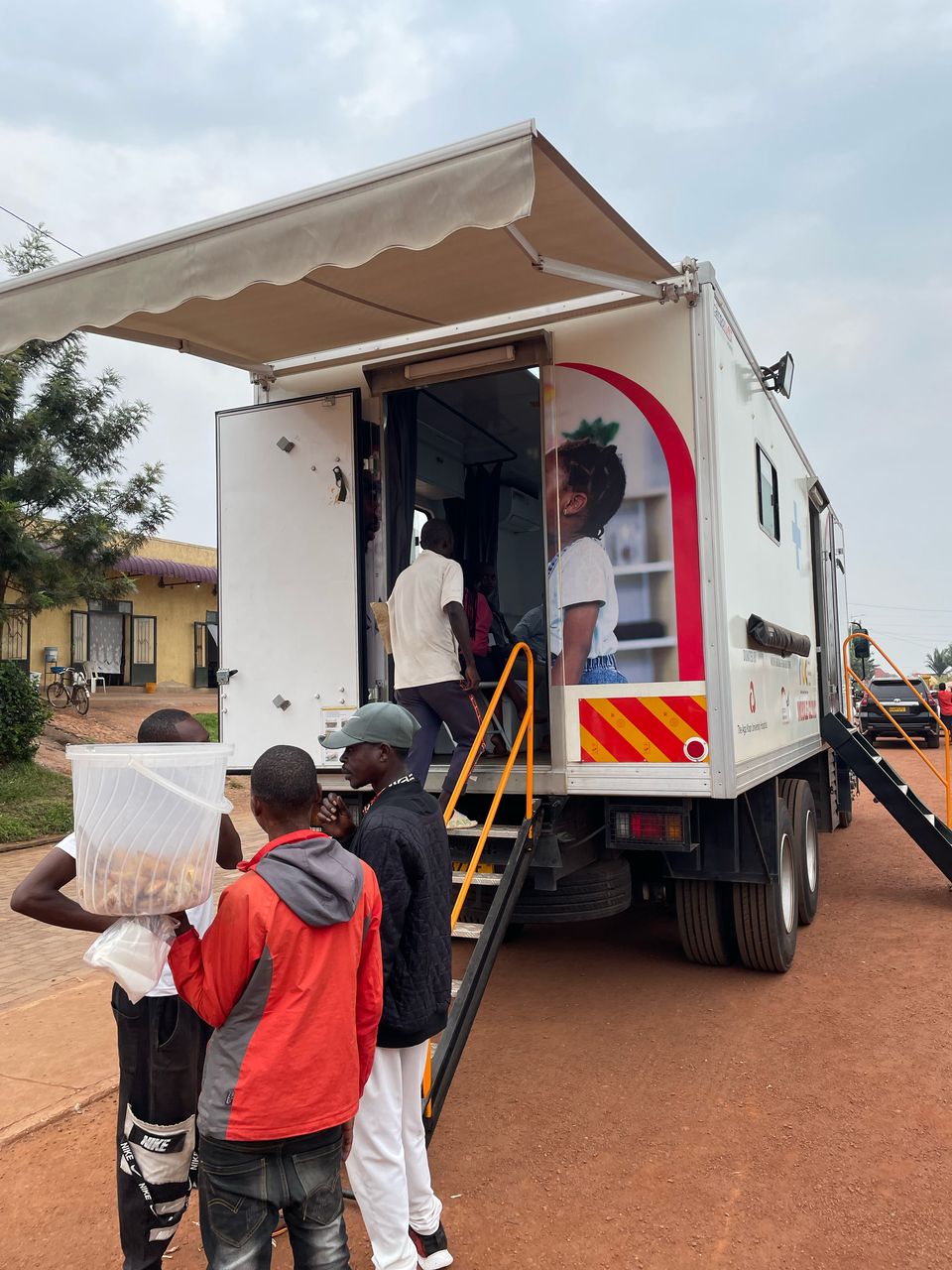
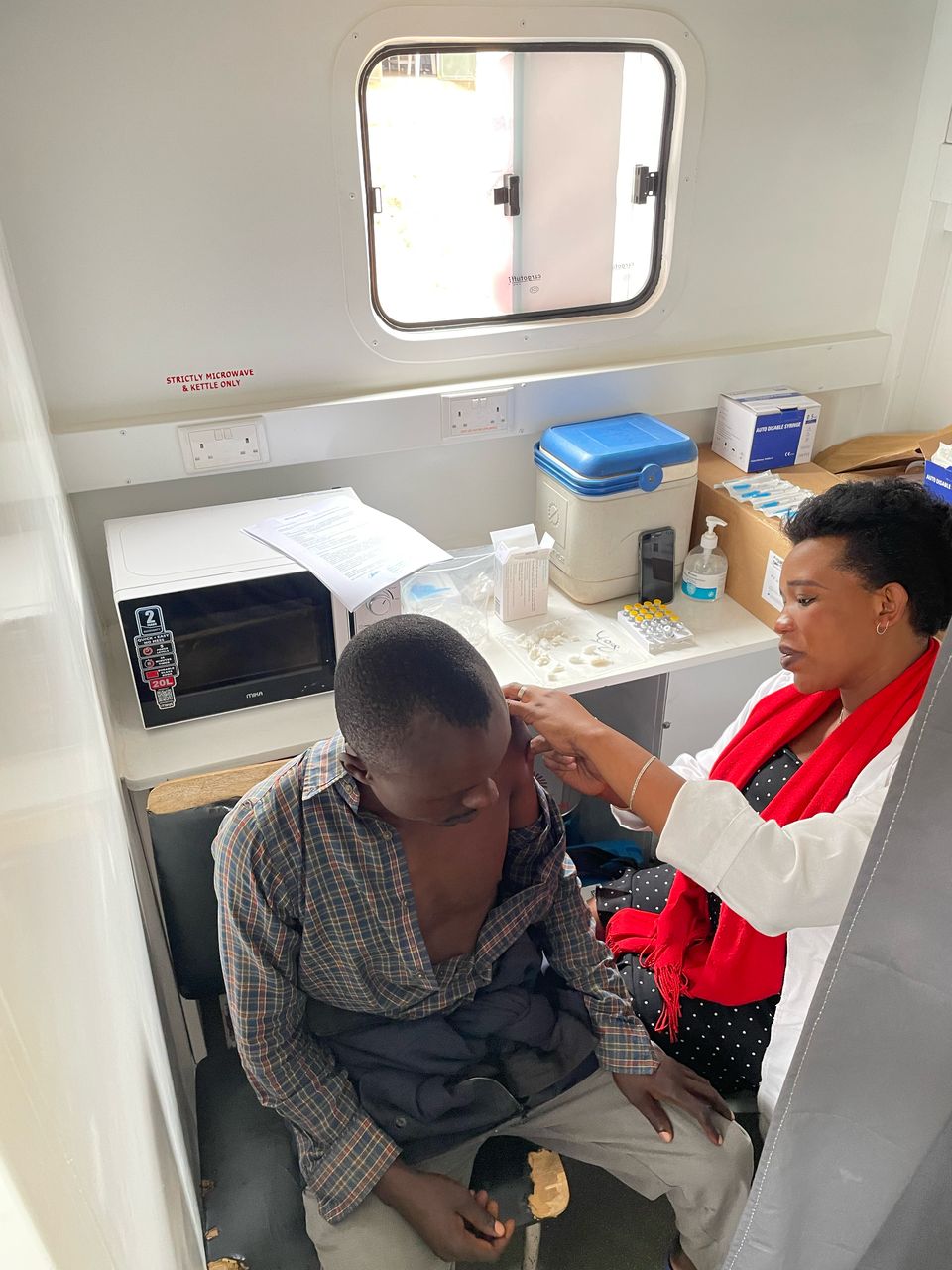
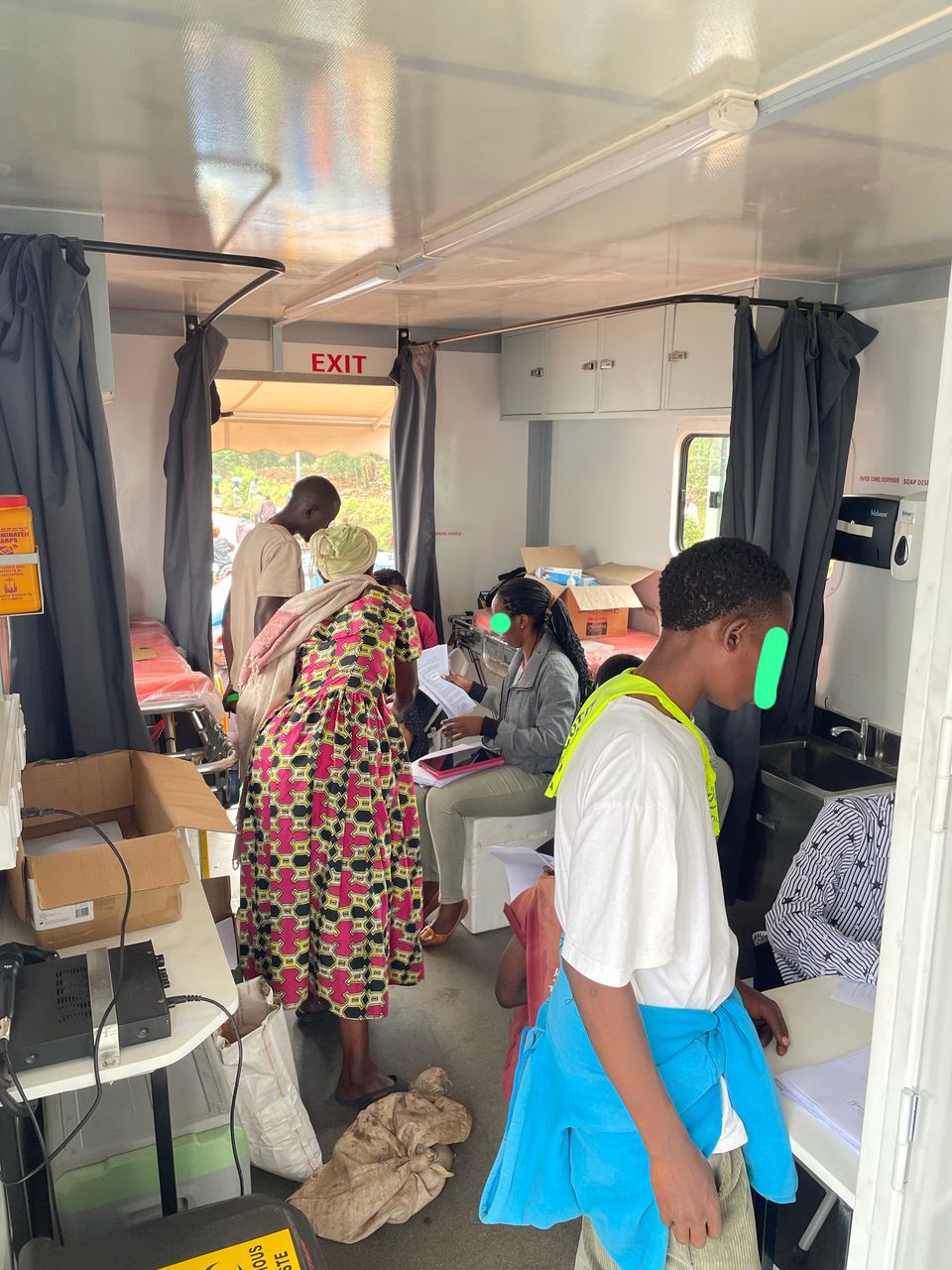
The Rwandan Ministry of Health currently distributed available MVA-BN vaccine doses in a vaccination campaign that targeted high-risk populations. Recruitment of participants for this study was concurrent with the expansion of the vaccination campaign into other regions. Therefore, the target sample size was 17,500 individuals . Individuals were approached for consent to participate in the study when they present at the vaccination centers to receive the MVA-BN vaccine. After enrollment, they will be followed from the time of MVA-BN vaccination until one year post-vaccination (on going)
Consortium partners
Funders
Project duration
March 2025 – December 2026
Research area
Target population
17500 participants
Geographical scope
National – Rwanda
Study design
This is a prospective cohort study of individuals receiving the MVA-BN vaccine as part of Rwanda’s Mpox public health response