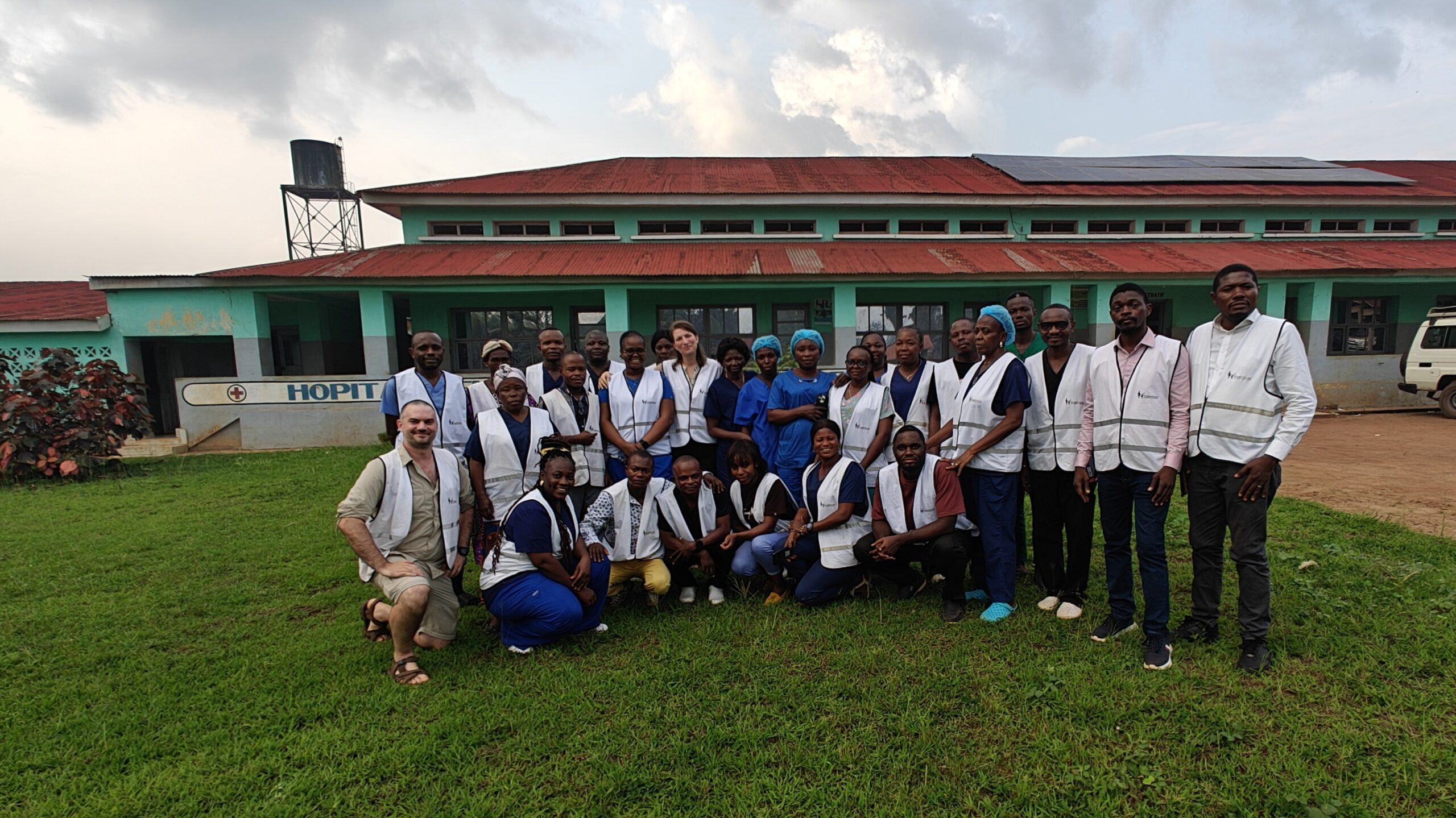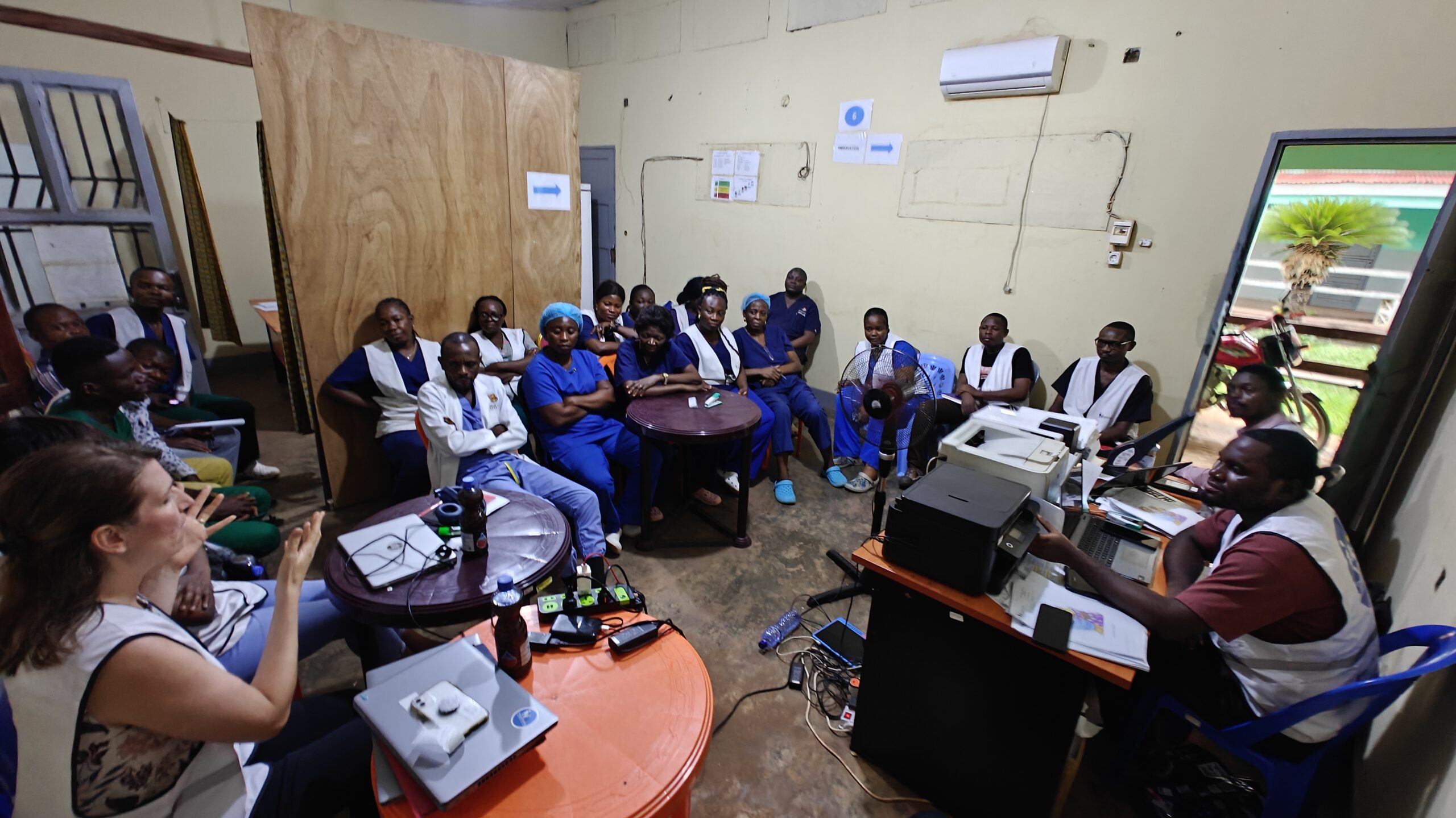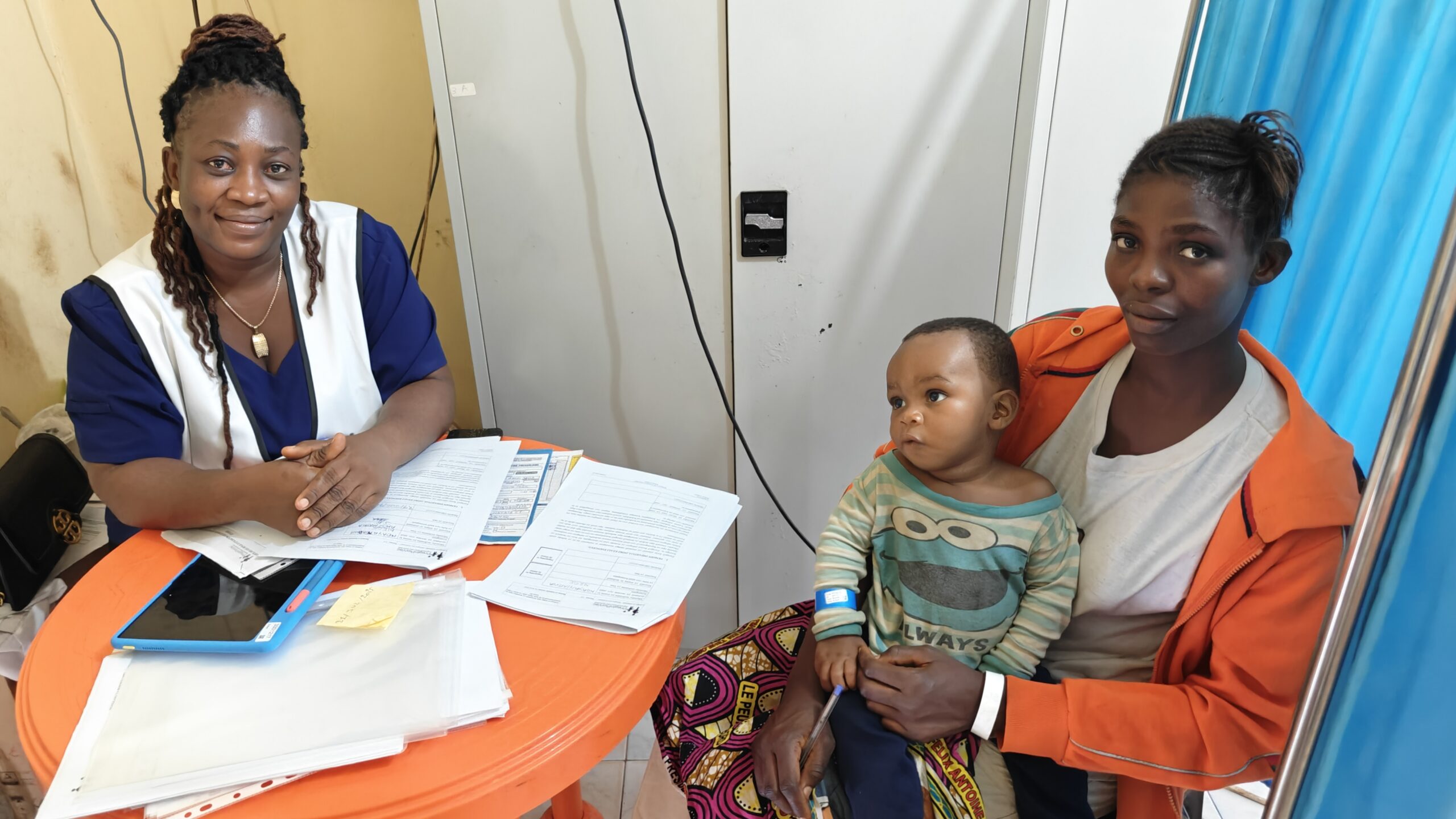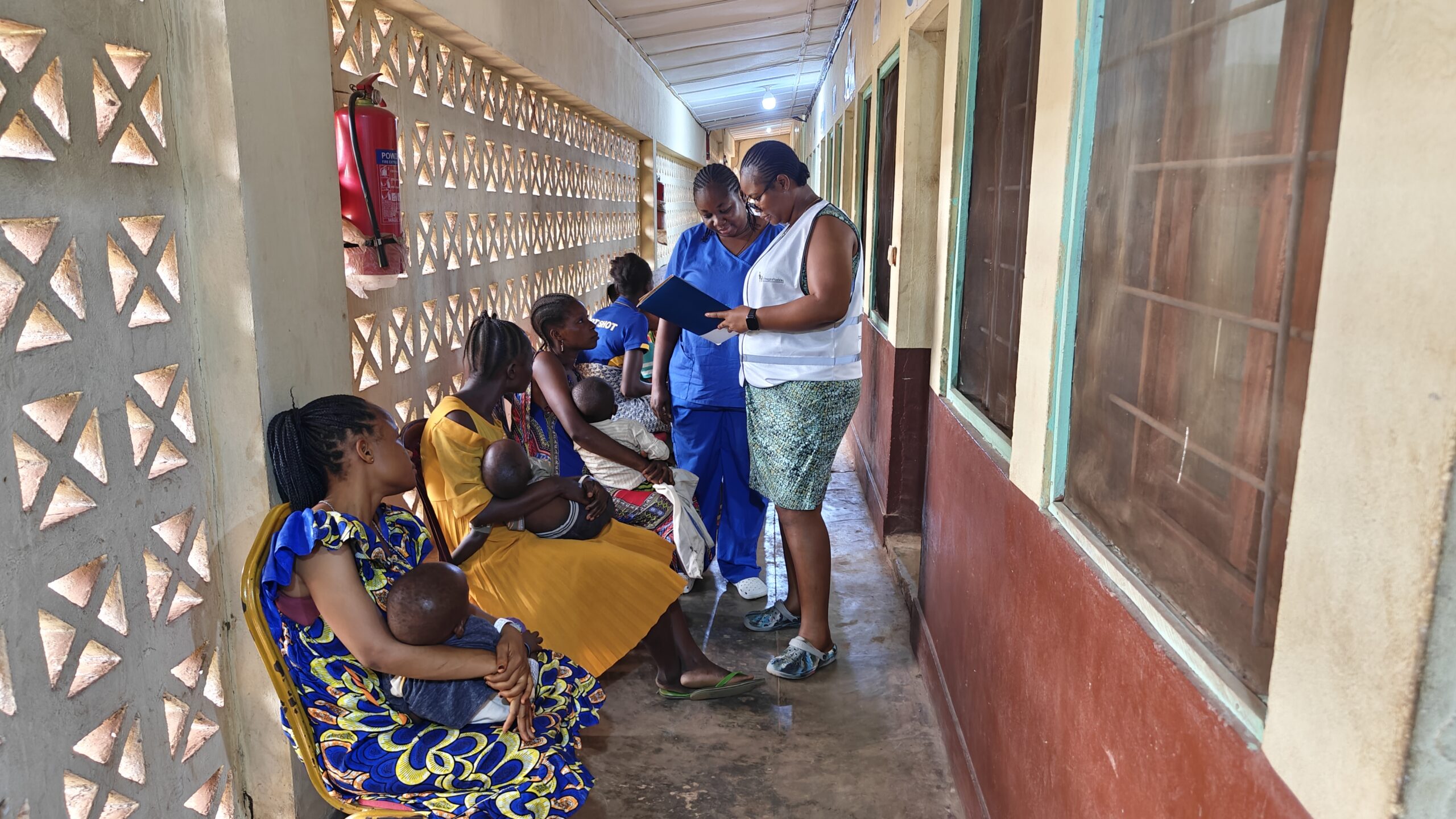
The PregInPoxVac study evaluates the safety and immunogenicity of the MVA-BN mpox vaccine in pregnant women and infants, in the Democratic Republic of the Congo (DRC), compared to adults for whom the vaccine has been approved. The trial also entails the development of an ancillary care policy and the conduct of qualitative research on vaccine and trial acceptability by the potential participants and the community.
Consortium partners
Funders
Project duration
August 2024 – September 2028
Geographical scope
This trial is set up in Boende, the capital city of the Tshuapa province and an mpox endemic area in the DRC.
Research area
The vaccine trial
The main objectives are to evaluate the safety and immune response of the MVA-BN mpox vaccine in:
Community engagement and ancillary care
Historically, pregnant women and children have often been excluded from vaccine research, which can contribute to questions or concerns about vaccination and participation in clinical trials. Clear, transparent communication and sustained community engagement throughout the trial will be essential to support understanding, trust, and informed decision making regarding both the study and the vaccine.
To ensure community engagement and contextual relevance, the study incorporates activities designed to listen and incorporate community perspectives. Pre-trial workshops with key stakeholders will explain the trial, gather feedback on trial procedures, and identify context-specific barriers and facilitators. Insights will shape study materials, policies and recruitment strategies, while key messages will be shared through local medical and health authorities. After the trial, focus group discussions will explore strategies for effective dissemination of trial results and vaccine rollout.
Furthermore, an ancillary care policy is in place to cover all study and non-study-related adverse events during trial participation.