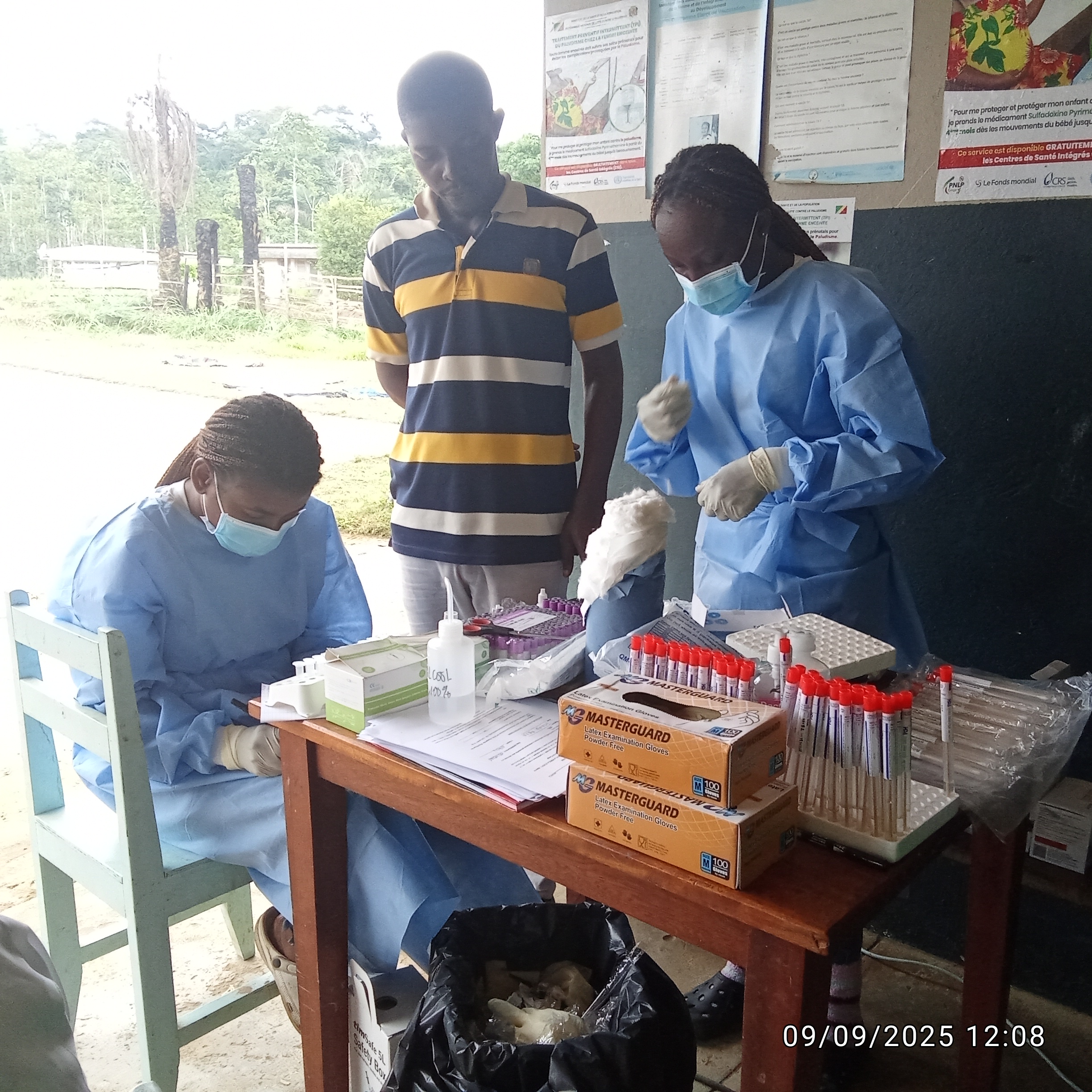
The objective of the Mpox-Probe project is to improve epidemiological surveillance of the Mpox virus through new diagnostic tools and the collection of human, animal and environmental samples in high-risk areas, and to strengthen diagnostic and research capacities.
The Democratic Republic of Congo (DRC) and the Republic of Congo (RC) are frequently affected by viral epidemics, including the current smallpox (MPXV) outbreak. These two countries share a long border along the Congo River, and trade (human, animal, etc.) is significant. The MPOX-PROBE project adopts a One Health approach to collect data and identify transmission routes in order to support national public health initiatives.
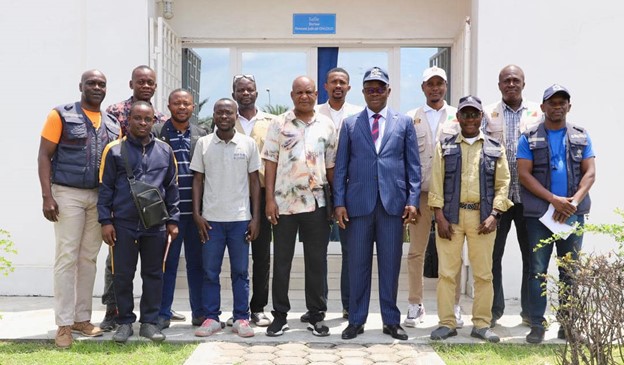
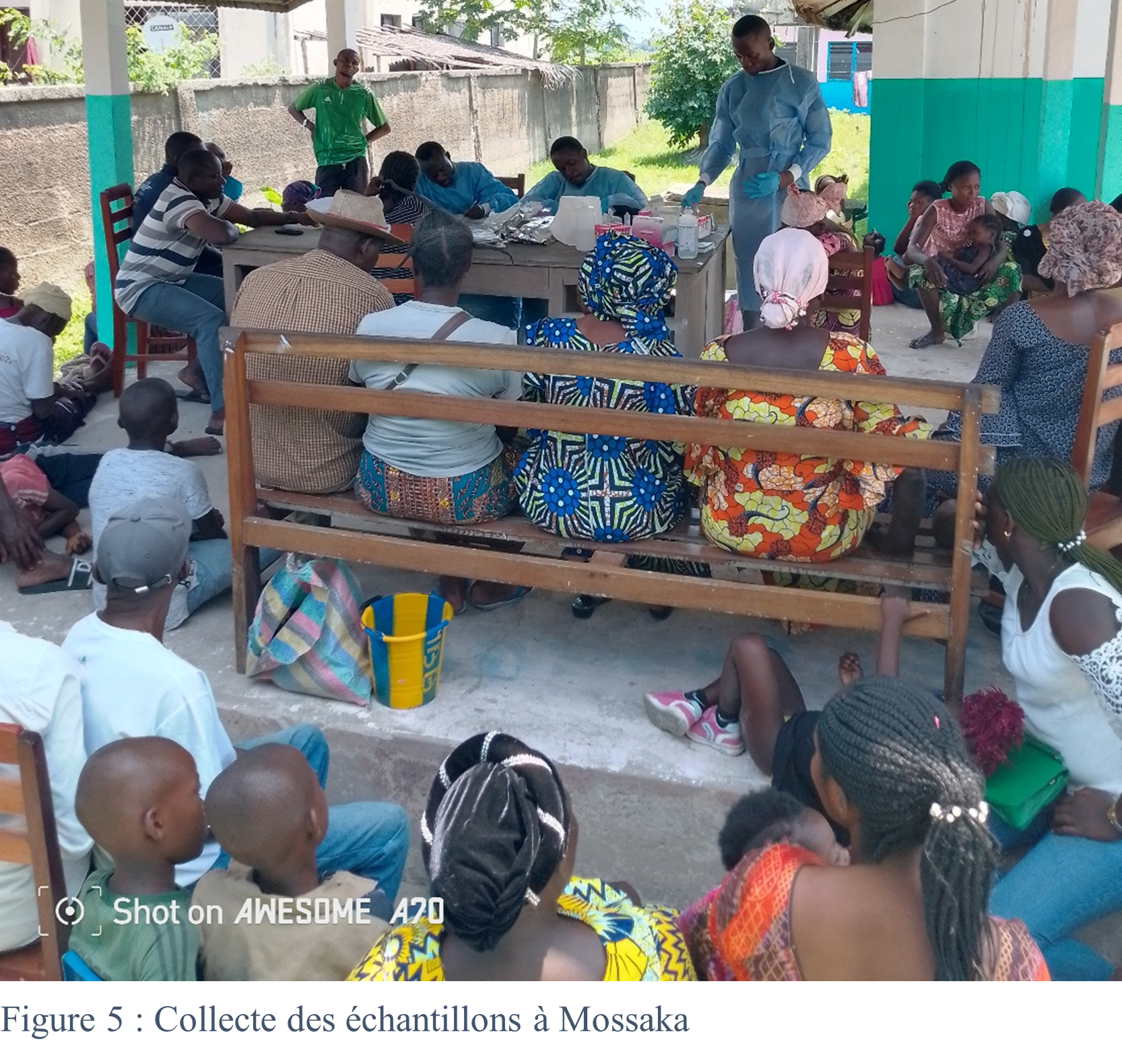
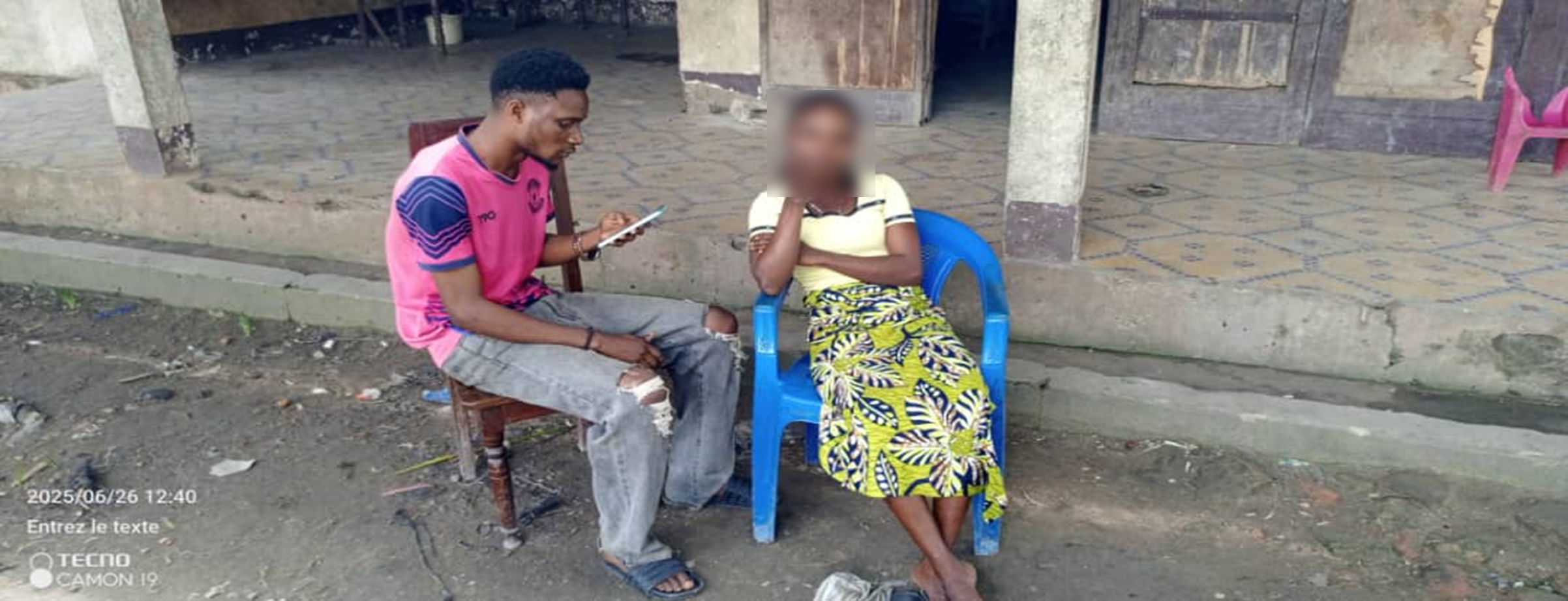
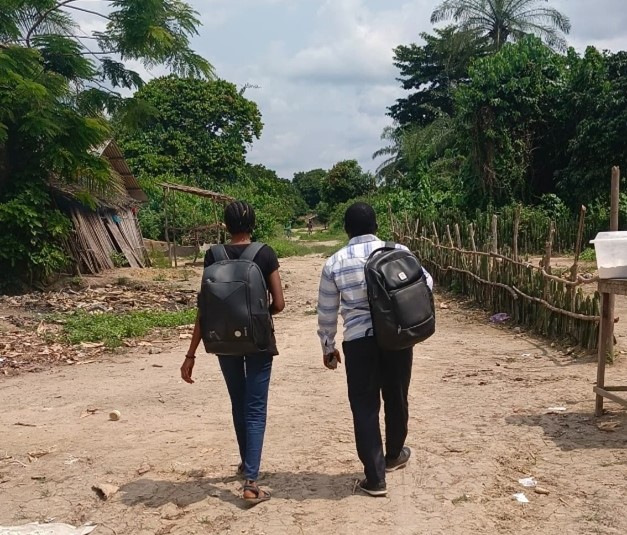
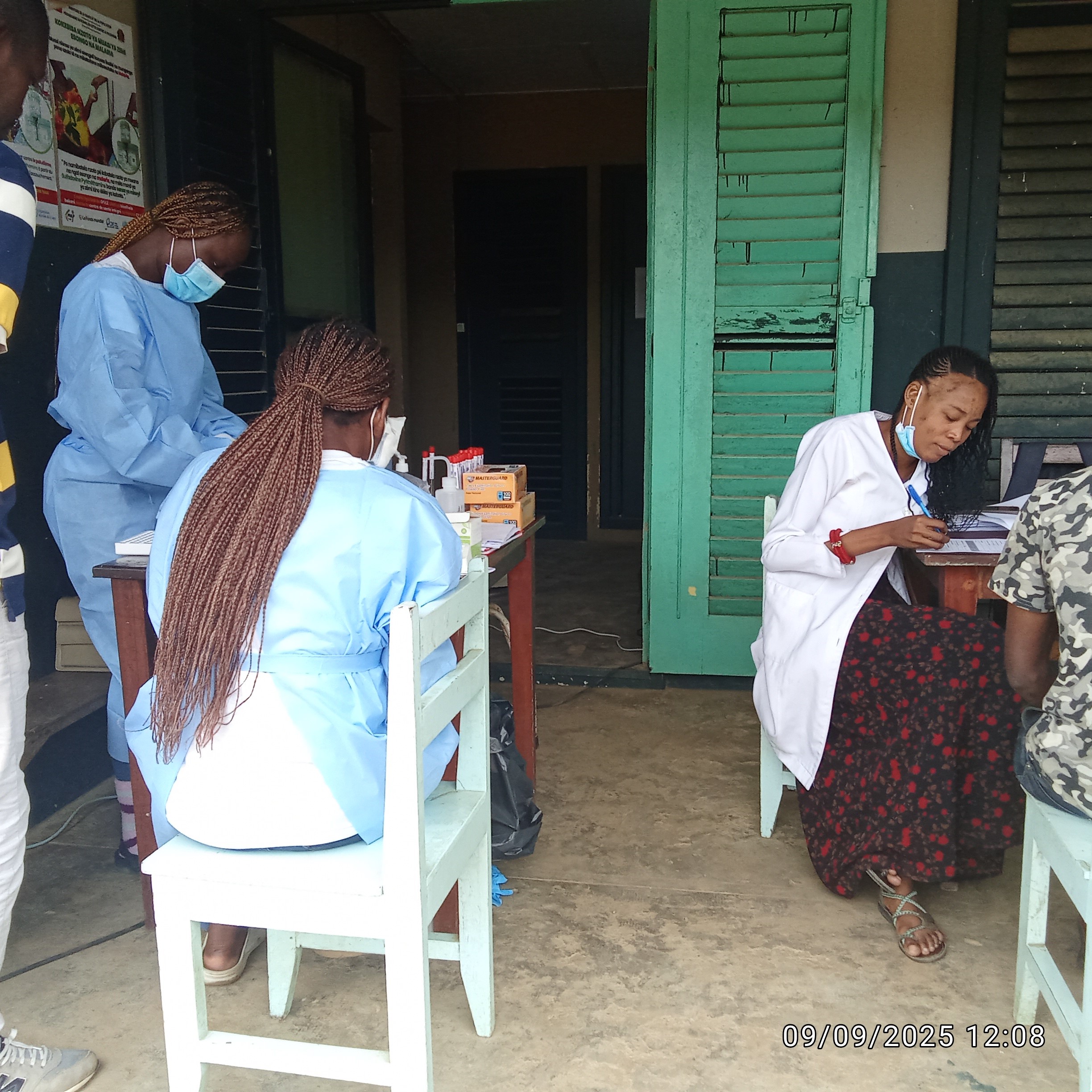
This project examines the transmission and potential reservoirs of MPXV by analyzing human, animal, and environmental samples. It also explores community knowledge and behaviors through questionnaires and focus groups. Conducted in Maï-Ndombe (DRC), Mossaka, and Impfondo (RC), the study includes individuals with MPXV symptoms, their contacts, and those at high risk of exposure, such as healthcare professionals and community leaders.
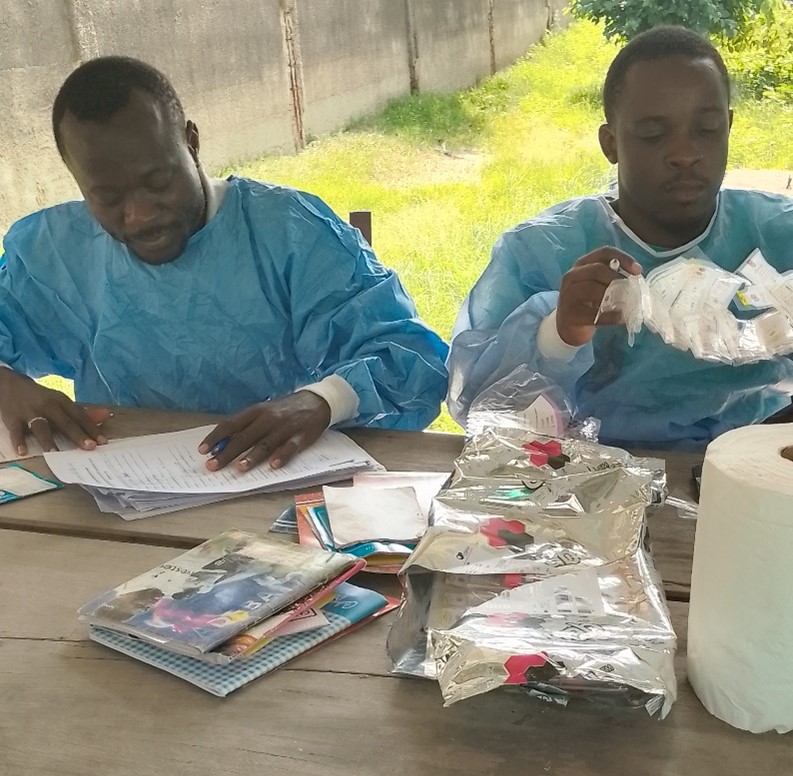
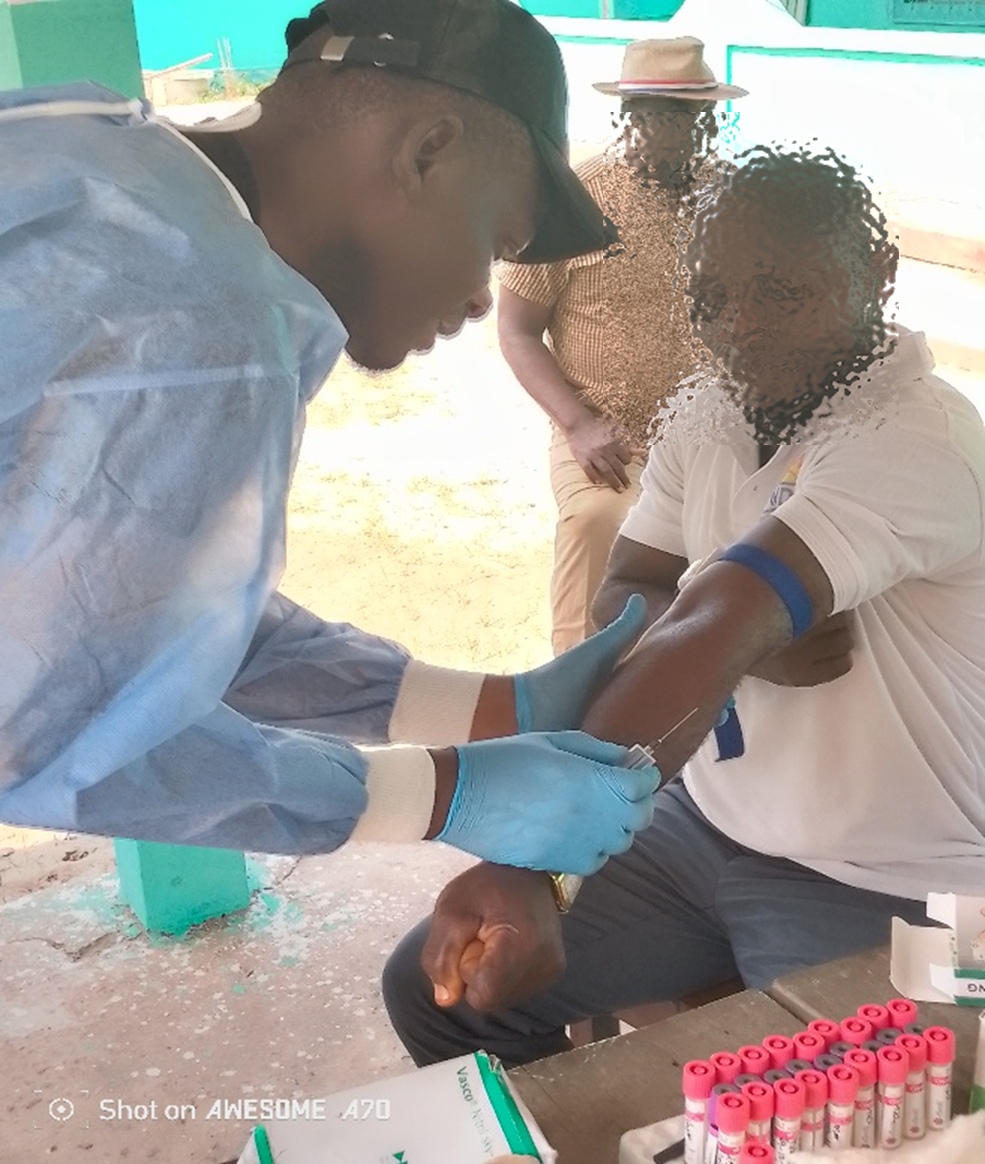
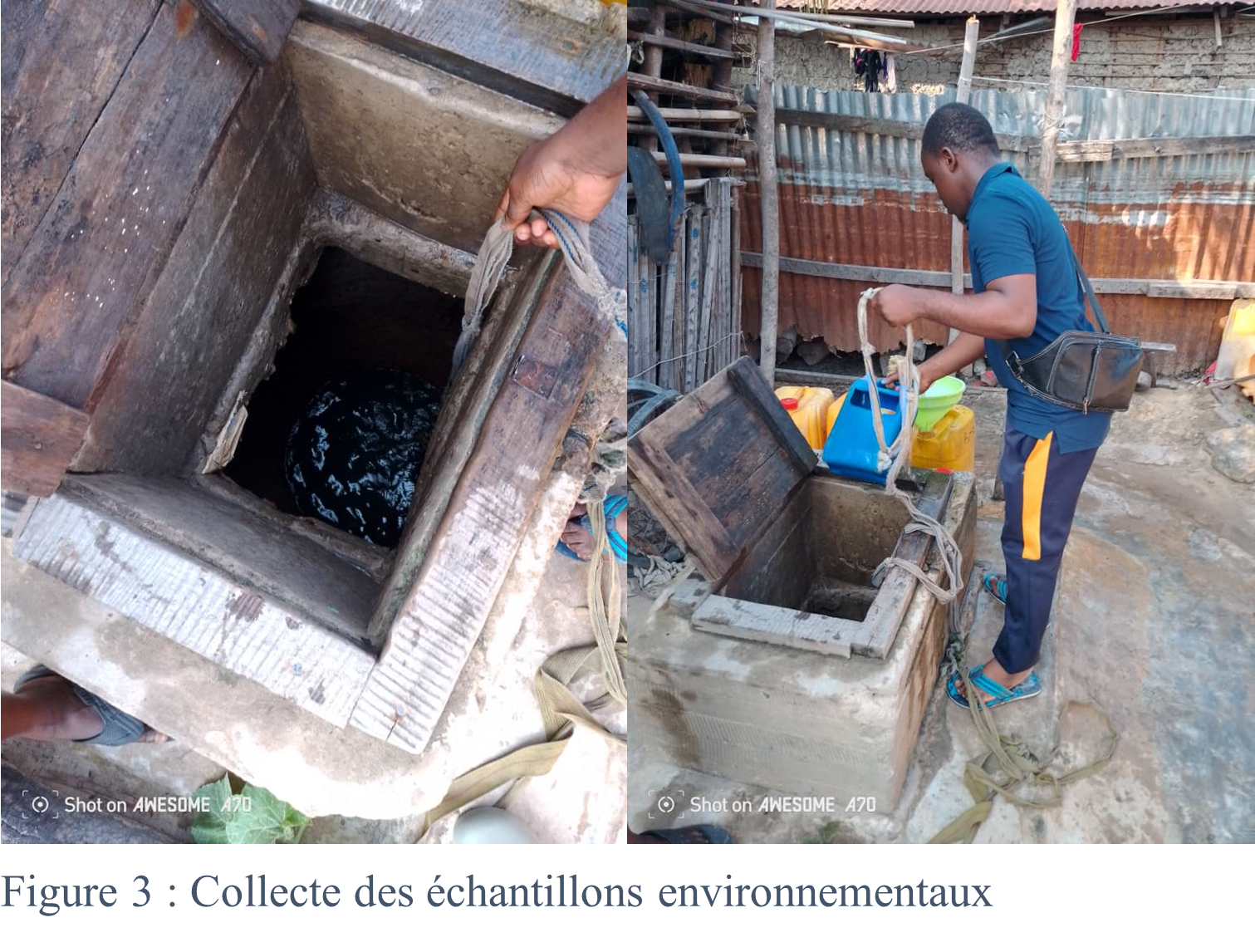
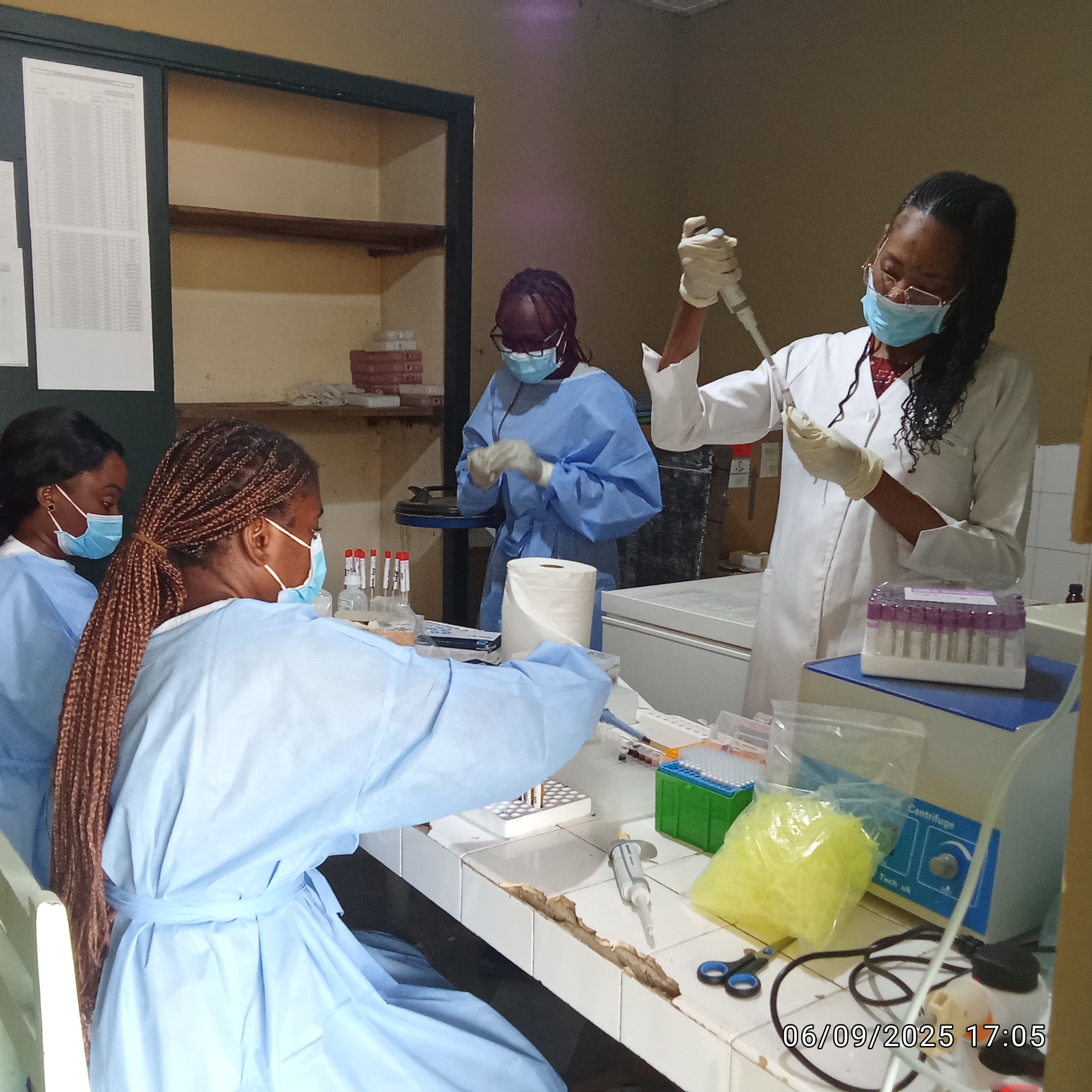
Animal samples are collected to try to understand the spread of MPXV. Human blood and saliva are analyzed by RT-PCR and immunological tests. Metagenomics is used to detect the presence of known and unknown pathogens in this sample, identify clades if necessary, and detect MPXV mutations. Environmental monitoring includes the analysis of wastewater, airborne particulate matter from hospitals and homes, and surface sampling of hospital work surfaces.
The results obtained in this study should help to fill the gap in epidemiological data, improve our understanding of transmission, strengthen diagnostics and surveillance, adapt preventive communication messages to target populations in the DRC and the Republic of Congo, and strengthen public health response and research capacities.
Finally, the MPOX-PROBE project can support current and future vaccination campaigns, identify priority areas and populations, and reduce patient stigma. Data from this project will enable public health authorities to implement targeted interventions to limit the spread of the disease. The project’s results align with the national priorities of the DRC and the Republic of Congo, as well as those of neighboring countries and the African Smallpox Coordination Working Group. Furthermore, the project is synergistic with the health policies and national health development plans of the DRC and Republic of Congo governments, ensuring that interventions are strategically adapted to local health challenges and priorities.
Consortium partners
Funders
Project duration
October 2024 – September 2026
Research area
Target population
Patients with Mpox identified in the study area
Geographical scope
Democratic Republic of Congo (DRC) and Republic of Congo (RoC)
Study design
The methodology will cover transmission and sampling studies. Epidemiological investigations will be conducted to improve surveillance of MPXV virus infection in populations, animals, and environmental conditions….